How to prepare for a hurricane: before, during and after the storm

Direct Energy, April 27, 2026

6 minute read

How to prepare for a hurricane: before, during and after the storm

Direct Energy, April 27, 2026

6 minute read

When a hurricane is projected to hit your area, you ask yourself the ultimate question: Should I stay, or should I go? In both cases, it is important to follow these hurricane safety tips. Preparing for hurricane season in advance and knowing what to expect when one hits is one of the smartest things you can do, whether you need to remain in your home or create and follow a hurricane evacuation plan. Below, find useful safety tips on how to prepare for a hurricane, how to stay safe while it's happening, and how to deal with the aftermath once the storm has passed.

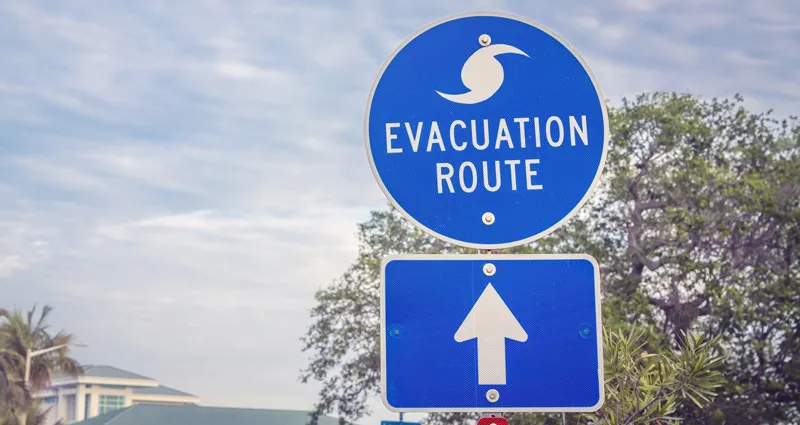
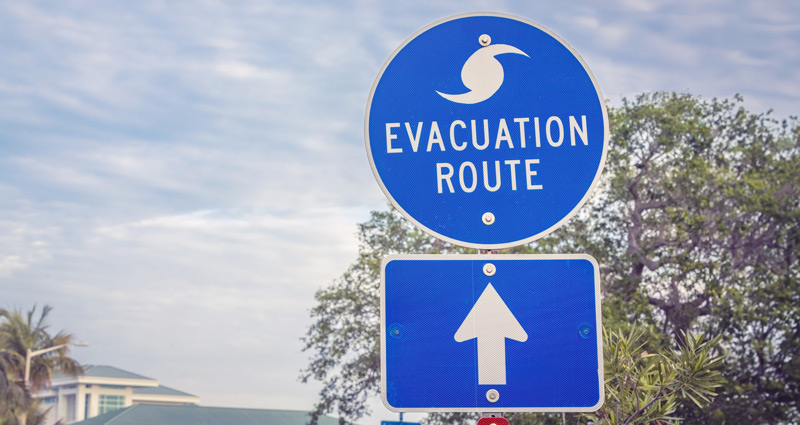
Hurricane Evacuation Route Road Sign on blue with arrow

Before a hurricane: how to prepare

Preparing for a hurricane can go more smoothly when you create an evacuation plan, build an emergency supply kit, secure your home and stay informed with official alerts. Hurricane season in Texas runs from June 1 through November 30, making early planning a must for homeowners and renters who live on the water or in a coastal area. Having a plan can help you act quickly – whether that means taking shelter, evacuating or recovering after the storm.

Develop a preparedness mindset

Being prepared for a hurricane isn't just about having all of the supplies – it can also help you feel mentally ready and act with confidence when it matters most.

How to prepare for hurricane season in Texas

  • Sign up for emergency alerts. Ensure your phone or device can receive Wireless Emergency Alerts so you can get timely updates.
  • Make an evacuation plan. Identify active evacuation routes at DriveTexas.org or by calling 800-452-9292, and call 2‑1‑1 to find out if you live in an evacuation zone.
  • Register for additional assistance if needed. If you live in an evacuation zone and have a disability or medical need, consider registering with the State of Texas Emergency Assistance Registry (STEAR) or calling 2‑1‑1.
  • Prepare an emergency supply kit. Gather essential items ahead of time so you’re not scrambling during a storm.
  • Review your home insurance policy. Understanding your coverage before a storm can help avoid confusion later.


Hurricane preparedness resources

For ongoing updates and planning support, visit:

How much water should I store for a hurricane?

You should store at least 1 gallon of water per person per day for a minimum of 3 days. This includes water for drinking, cooking and basic hygiene.

Hurricane preparedness checklist

Use this hurricane preparedness checklist to help you get ready before the storm, stay safe during severe weather and protect your home and family. Focus on the sections that apply to your situation.

Must-have emergency supplies

Having the right supplies can make all the difference when a hurricane strikes. Every household should have basic emergency supplies ready before hurricane season begins.

  • First-aid kit (bandages, antiseptic, pain relievers and prescription medications)
  • Flashlights and extra batteries (consider rechargeable or hand-crank options)
  • Portable emergency radio, such as a NOAA weather radio, for real-time alerts
  • Phone chargers and backup power sources, including power banks or solar chargers
  • Cash, hygiene essentials, extra clothes and pet supplies
  • Important documents stored in a safe, accessible place

If you’re staying home

If local officials do not recommend evacuation, take steps to secure your home and prepare for possible outages.

Plan

  • Locate a safe room or the safest area of your home, away from windows
  • Understand your home’s vulnerability to storm surge, flooding and wind

Prepare

  • Stock non-perishable food, bottled water, a first-aid kit, a battery-powered radio, flashlights and extra batteries
  • Keep a non-electric analog telephone or a fully charged cell phone available
  • Keep sturdy, closed-toe shoes accessible for post-storm hazards like debris and broken glass

Preserve

  • Adjust refrigerator temperatures to the coldest settings to reduce food spoilage
  • Fill bathtubs and sinks with water for sanitation and emergency use

If you need to evacuate

If evacuation is recommended, leave early and follow instructions from local authorities.

Follow

  • Take the advice of local authorities and evacuate if ordered

Protect

  • Unplug appliances, TVs and computers before leaving
  • Move important items to higher surfaces to reduce risk of flood damage
  • Turn off water to prevent flooding from broken pipes
  • Turn off gas to help prevent leaks
  • Remove fuses from the air conditioning system to help prevent damage

Plan

  • Ensure your car has a full tank of gas and is in good working condition
  • Pack a “go bag” with clothes, medications and essential supplies
  • Determine evacuation routes and a nearby meeting place for loved ones

Home, vehicle and yard safety

Preparing your property ahead of time can help reduce damage during high winds and flooding.

  • Secure outdoor furniture, grills and decorations
  • Bring in flags, awnings, potted plants and other loose items
  • Use sandbags to help prevent flooding in vulnerable areas
  • Ensure shed doors and pool covers are secured
  • Avoid parking vehicles under trees
  • Fill gas tanks early, as fuel shortages can happen quickly
  • Be alert for tornadoes and storm surge flooding, especially in low-lying areas

Pets and special considerations

Plan ahead for pets, medical needs and anyone who may need additional support.

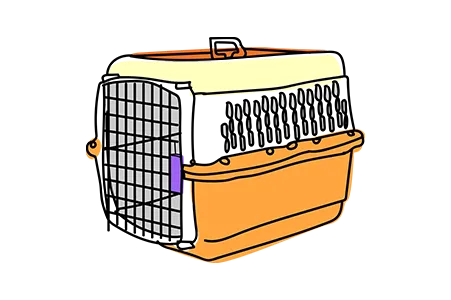
  • Prepare pet food, water, medications and carriers
  • Keep ID tags and microchip information updated
  • Include prescription medications and medical supplies in your emergency kit

What’s the difference between a hurricane watch and a hurricane warning?

A hurricane watch means hurricane conditions are possible within 48 hours. A hurricane warning means hurricane conditions are expected within 36 hours, so jumping into prep mode can help you stay ahead of the storm.

Hygiene products, insect repellent and fuel

Staying clean and healthy during a hurricane is essential for preventing infections and staying comfortable.

  • Bug spray: Mosquitoes thrive in standing water after hurricanes – prevent bites with strong repellent.
  • Extra fuel: Keep extra fuel on hand for generators, camping stoves and vehicles in case of extended outages or evacuation.
  • Feminine hygiene products: Stock enough for several days in case stores are closed or supplies run low.
  • Hand sanitizer: Access to clean running water may be limited, so sanitizer helps maintain hygiene.
  • Wet wipes: Wipes are useful for cleaning hands, faces and surfaces when water is scarce.

Preparing your pet for hurricane season

Because your pets, big and small, are part of the family, preparing them for a hurricane can help keep them protected. Make sure they’re microchipped, wearing up‑to‑date ID tags, and have an emergency kit with food, water, medications and medical records. Keep these supplies together so they’re easy to grab if you need to evacuate.

If you stay home

Plan

  • Locate a safe room or the safest areas of your home for each hurricane hazard. The safest areas may not be your home but within your community.
  • Discuss the type of hazards that could affect your family and know your home's vulnerability to storm surge, flooding and wind.


Prepare

  • Stock non-perishable food supplies, bottled water, a first-aid kit, a battery-powered radio, flashlights and extra batteries in air-tight containers. Use our hurricane grocery list to ensure you have everything you need.
  • Have a non-electric analog telephone or a fully charged cell phone available in case you need to make an emergency call during a power outage.


Preserve

  • Adjust refrigerator temperatures to the coldest settings to reduce the potential for food spoiling if the power is temporarily lost.
  • Fill bathtubs and sinks with water to ensure you have enough to flush the toilet or cook in case you don't have water service.

Hurricane grocery checklist

Ready to print, save or keep in your emergency kit, stay prepared with a quick, one‑page checklist of the essential foods and supplies to stock before a storm.

If you need to evacuate

Follow

  • Take the advice of local authorities. Evacuate if ordered.

Protect

  • If an evacuation is necessary, unplug all appliances, TVs and computers before leaving your home.
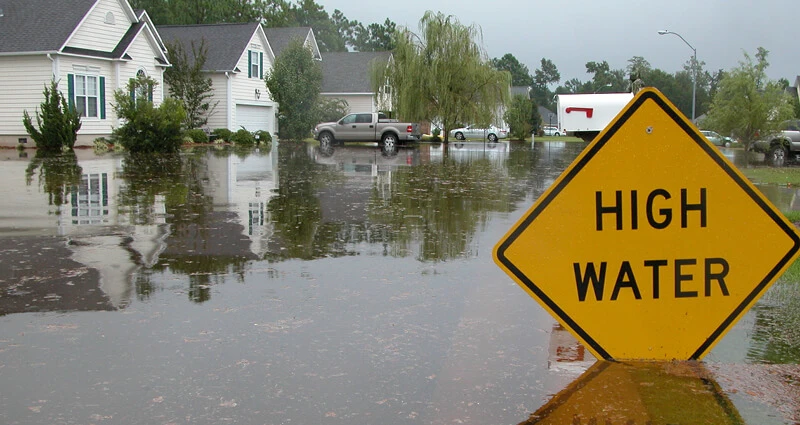
  • If possible, move important items to a higher floor or surface such as a counter or shelf to protect expensive equipment from flooding.
  • Remove fuses from the air conditioning system to prevent damage.
  • Turn off water to prevent flooding from broken pipes.
  • Turn off the gas to prevent leaks from occurring.

Plan

Important documents

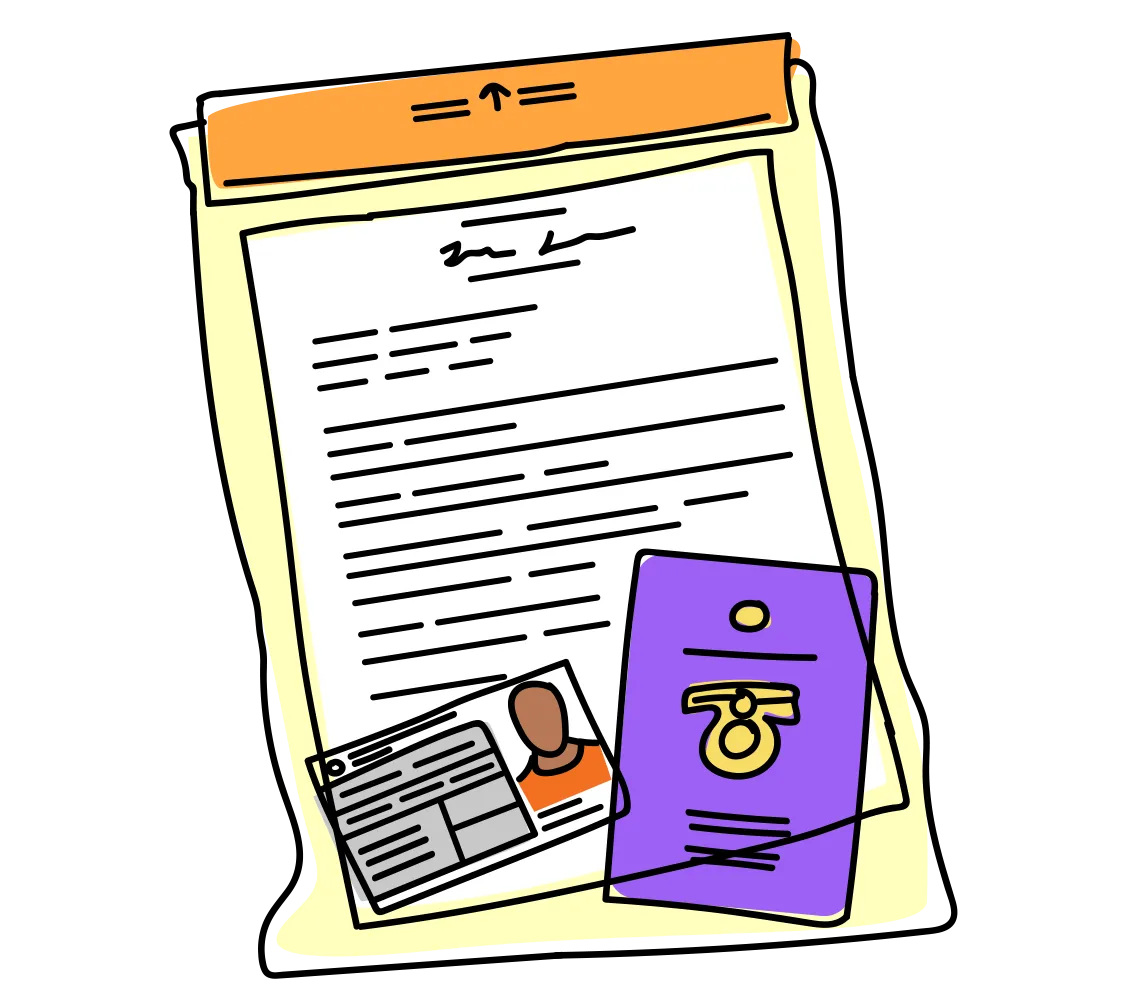
  • IDs, passports and Social Security cards: Keep originals and copies in a waterproof bag. Keeping digital backups on a cloud service is a smart addition.
  • Copies of insurance policies: If you need to file a claim, having quick access to your home and car insurance details can speed up the process.
  • Emergency contact lists: Write down contacts in case your phone battery dies or networks fail.

Protecting yourself and your property

When a hurricane is approaching, safeguarding yourself and your belongings is crucial. A little preparation in advance can go a long way if dangerous weather comes to town.

Clothing and rain gear 

  • Waterproof jackets: Staying dry prevents illness and keeps you warm in wet conditions.
  • Sturdy boots: Proper footwear is essential for trekking through floodwaters and protecting feet from debris.
  • Extra layers for warmth: Even warm climates can get unexpectedly chilly when you are wet–have thermal layers ready.

During a hurricane: safety tips

During a hurricane, stay indoors and away from windows, monitor local updates using battery-powered devices, if possible, and follow instructions from emergency officials. Do not go outside or attempt to drive through floodwaters, even if conditions appear calm.

  • Monitor the radio or television for weather conditions.
  • Stay away from all windows and exterior doors and seek shelter in a bathroom or basement. Pro tip: Bathtubs can provide some shelter if you cover yourself with plywood or other materials.
  • If power is lost, turn off all major appliances to reduce the chances of damage caused by a power surge.
  • If flooding nears your home, turn off the electricity at the main breaker.
  • Evacuate to a shelter or a neighbor's home if your home is damaged or if you are instructed to do so by emergency personnel.


What to avoid during a hurricane

  • Do not go outside, even if it seems calm. The storm’s eye can pass quickly and strong winds may return. Never walk, swim or drive through floodwaters. As little as 6 to 12 inches of water can knock you down or flood your vehicle.
  • Avoid electrical equipment and limit phone use. Do not handle electrical devices and limit telephone use in case of an emergency.
  • Do not use candles. Candles can increase the risk of fire during a storm. Use battery-powered flashlights instead.
  • Unplug appliances and electronics. Whether you stay or evacuate, unplug appliances and electronics and remove air‑conditioner fuses to help prevent unnecessary battery drain and reduce the risk of damage when power is restored.
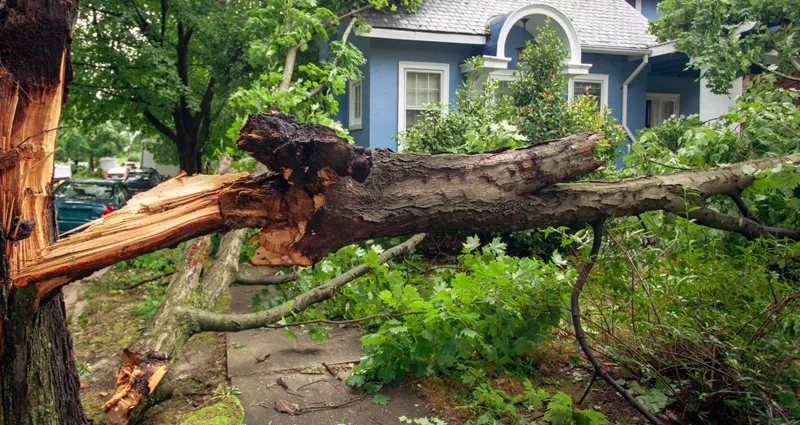
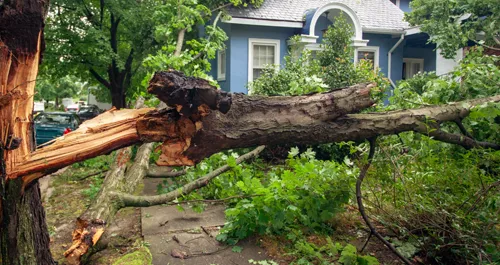
hurricane tree fallen stay inside

After a hurricane: staying safe and recovering

After a hurricane, avoid downed power lines and floodwaters, use generators safely outdoors, check food and water for contamination and take photos of any damage before cleaning up. Only return home only when local officials say it's safe.

  • When power returns to your home, do not start all major appliances at once. Turn them on gradually to reduce damage to sensitive equipment.
  • Avoid downed, damaged or loose power lines and report them immediately to the local police and fire department, as well as to your local utility. 
  • Even if you have ventilation, never use a generator indoors. This includes garages, basements and crawlspaces. Exhaust fumes contain high levels of carbon monoxide, which can be deadly if inhaled. Even when left outside, keep generators away from doors and windows and at least 10 feet away from your home. Also, allow your generator to cool off before refilling it with gas–splashing gas on hot generator components can lead to a fire.
  • Do not use electrical or gas appliances that have been wet and do not turn on damaged appliances due to the risk of electric shock or fire.
  • Never use charcoal indoors because burning charcoal produces high levels of carbon monoxide that can reach lethal levels in enclosed spaces.
  • Check the safety of your food and water supply so that you and your family remain safe.
  • Stay away from flood waters as they can contain harmful contaminates and hide dangerous debris.
  • Take photographs of any damage incurred.
  • If flooding or water damage occurs, begin cleaning up and repairs as soon as possible to avoid mold while wearing protective gear.


Being prepared for a hurricane is all about planning ahead, securing the essentials and staying informed. With the right mindset and a well-organized supply plan, you can protect yourself, your family and your property during any storm. Stay safe!

Signing up for Direct Energy is easy!

We offer a wide range of plans and even help you customize them to fit your needs! Shop our plans to find your best fit today.  

Common hurricane preparedness questions

Hurricane warnings and timing

Show all answers

According to the National Oceanic and Atmospheric Administration, a hurricane warning is issued 36 hours before the onset of tropical-storm-force winds, meaning hurricane conditions (sustained winds of 74 mph or higher) are expected within the specified area. A hurricane watch is issued 48 hours in advance of tropical-storm-force winds, meaning conditions are possible for a hurricane within the specified area.

If you’re sheltering at home during a hurricane, stay in a windowless, interior room on the lowest level of your home and away from flood-prone areas. Prepare for power outages by keeping flashlights, batteries, medications and a charged phone nearby. Avoid going outside until conditions are clearly safe.

Safety and shelter

Show all answers

If you’re sheltering at home during a hurricane, stay in a windowless, interior room on the lowest level of your home and away from flood-prone areas. Prepare for power outages by keeping flashlights, batteries, medications and a charged phone nearby. Avoid going outside until conditions are clearly safe.

Yes. If local officials recommend evacuation, follow their guidance regardless of how severe the storm appears. Weather conditions can change quickly, and evacuation orders are issued to protect lives. Leaving early can help you avoid dangerous roads, flooding or emergency response delays.

The safest place to shelter during a hurricane is an interior room on the lowest level that is not at risk of flooding. Stay away from windows and glass doors, and keep emergency supplies with you.

After the storm

Show all answers

It’s safe to return home only after local officials confirm the area is safe and roads and utilities have been restored. Even then, return cautiously and be alert for hidden hazards like unstable structures, debris or flooded roads. Never enter a home that appears unsafe or damaged.

After a hurricane, watch for downed power lines, floodwater, gas leaks and damaged buildings. Avoid using generators indoors to prevent carbon monoxide poisoning and stay clear of debris that could shift or collapse. If something looks unsafe, keep your distance and report it to authorities.

Food should be discarded if it was above 40°F for more than 2 hours or came into contact with floodwater. Use bottled water or boil tap water until local officials confirm it is safe to drink. When in doubt, throw it out to avoid illness.

Yes. If local officials recommend evacuation, follow their guidance regardless of how severe the storm appears. Weather conditions can change quickly, and evacuation orders are issued to protect lives. Leaving early can help you avoid dangerous roads, flooding or emergency response delays.

View more +

Supplies and food safety

Show all answers

Store at least one gallon of water per person per day to cover drinking and basic needs. Plan to have enough water for a minimum of 3 days per person, more if possible, especially for children, pets or medical needs. Clean water is essential during power outages.

Keep a pet emergency kit with food, water, medication and identification.

Pets and special considerations

Show all answers

Keep a pet emergency kit with food, water, medication and identification.


Explore the learning center

Explore our other categories by selecting one from the dropdown menu. 

family having fun while moving making a cardboard house

Whole home protection

Energy is just the beginning. Discover protection plans that cover your home’s AC and heating system, plumbing, wiring and major appliances.

Signing up for Direct Energy is easy!

We offer a wide range of plans and even help you customize them to fit your needs! Shop our plans to find your best fit today.  

Need help placing an order?
Texas customers: Call us at 1-855-461-1926
Northeast and Midwest customers: Contact us


Questions about your current service?
Texas customers: Call us at 1-888-305-3828
Northeast and Midwest customers: Contact us