Room-by-room packing guide for your next move

Direct Energy, May 4, 2026

8 minute read

Room-by-room packing guide for your next move

Direct Energy, May 4, 2026

8 minute read

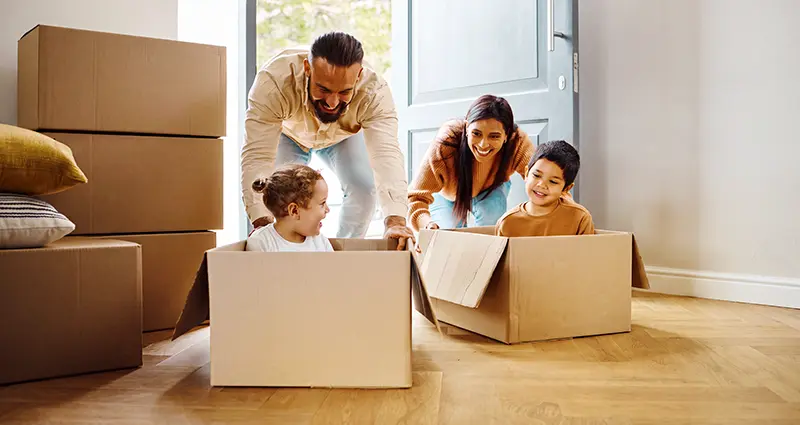
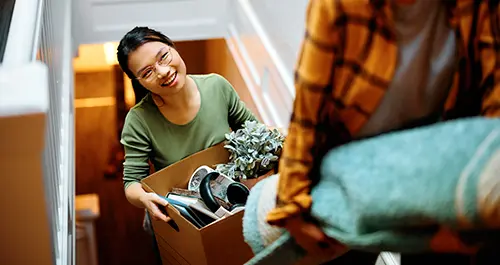
Happy couple carrying moving boxes

Moving can feel overwhelming, but a room‑by‑room packing guide helps you stay organized and protect your belongings. By packing one room at a time, labeling boxes clearly and preparing a moving essentials box, you can reduce stress and speed up unpacking. This guide walks through how to pack a house room by room, from kitchens and bedrooms to garages and home offices.

Moving boxes and a plant illustration

Room-by-room packing checklist

Packing one room at a time helps you stay organized and protect your belongings. This room-by-room packing checklist covers what to pack first, how to label boxes and tips to make moving day easier.

Packing prep and supplies 

As you begin to map out your move, set aside a box to keep a box cutter, labels, markers, padding materials, scissors and tape handy. Choose a bright or patterned box you can easily spot — and make a rule that moving supplies always go back in it. Starting with rooms and items you won't need right away, label boxes clearly and identify the contents of the box. Color code each room, marking all boxes destined for a specific room. For example, label one box "Books" in black marker with its ultimate destination, like "Family Room" written in purple marker. 

Pack a moving-day essentials bag

Pack a bag with a few days’ worth of clothing, toiletries and other essentials to use before you settle in. This will make it much easier to end an exhausting moving day with a nice shower in your new place and avoid rummaging through boxes while getting ready in the morning.

5 general packing tips to stay organized and pack faster

1. Clean out your home

A move is a perfect time to clean out your closets and get rid of anything you no longer need. As you’re packing your possessions, gather all dusty items and decide whether you still need them or not.

2. Make a packing schedule

One of the hardest things about starting to pack is thinking about how big of a task it is. However, you can eliminate a lot of the hassle by planning to pack a little bit every day, so you’re not overwhelmed at the last minute.

3. Keep track of moving expenses

Keep all your receipts and other records of your moving expenses. Depending on what state you live in, you might be able to deduct these expenses from your taxes.

4. Reuse what you already have

Packing items in extra suitcases and storage bins can help you save money on packing supplies. Wipe down dressers, chests and cabinets and use them, if possible, to transport lightweight items such as socks and T-shirts.

5. Avoid packing heavy items in large boxes

When buying boxes, you’ll probably want to buy mostly small and medium boxes. These are much less cumbersome to carry and more manageable with heavier items inside. Pack the densest, heaviest items like books in small boxes, modestly heavy items in medium and stick to pillows and mostly lighter items for large boxes. Unsure what size boxes you need? Check out this guide.

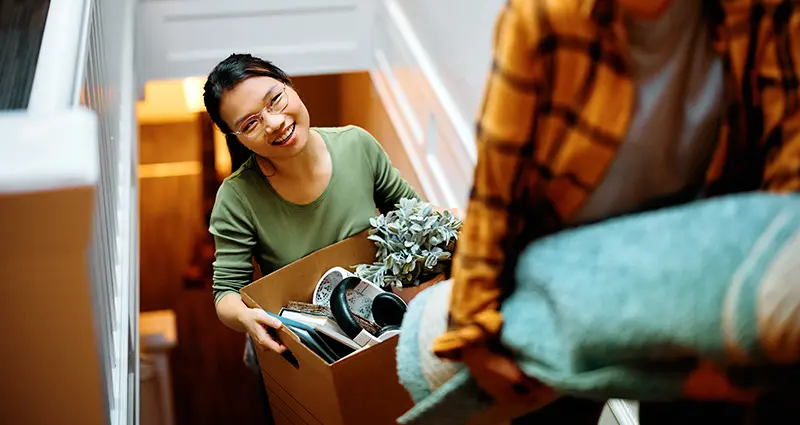
Roommates walking up the steps

Room‑by‑room packing tips

Garage and storage tools

Your toolbox should be the last thing you pack and the first thing you unpack! Brooms, mops and garden tools should be bundled together securely with strong string or cords. Use old towels or linens to wrap and tape any sharp-edged tools.

Outdoor equipment

Before moving the grill, dispose of any charcoal. Keep your grill upright when moving it. Wipe down patio furniture and place chair padding in a separate box or clear garbage bags.

Home office

Books

Pack books of the same size flat or have their spines touch the bottom of the box. Remember, books are heavy, so avoid using large boxes that will be too heavy to lift. Also, be careful not to overpack your books in cardboard boxes, as they can easily cause the box to break.

Electronics and cables

When packing electronics, keep a pack of colored stickers to mark the port and cable so you know exactly how everything is hooked back up. Take photos of the electronics settings to help you remember how to reassemble them later and to provide proof of their condition before the move.

Important documents

Documents like contracts, insurance information, school records and medical history can be placed in a fireproof portable file or in a well-sealed box to keep with you.

Transferring devices when moving

Before packing smart thermostats, energy monitors or other connected devices, check whether they need to be powered down, removed or unregistered. Some devices require specific steps to reconnect after a move. 

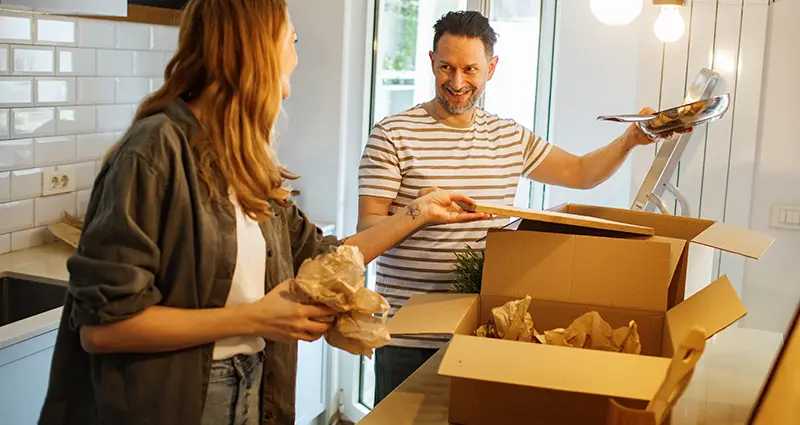
Couple packing kitchen items in boxes

Kitchen

Maximizing kitchen storage

Put spice containers inside large pots. Some bulky items can act as moving containers as well. Consider placing sharp kitchen tools inside oven mitts, securing them with rubber bands. Pack boxed or canned goods in small boxes and donate or throw away what you no longer need.

Meal planning

Instead of spending money on expensive and unhealthy meals, prepare a few easy meals that you can keep refrigerated or frozen for a few days before and after your move.

Appliances

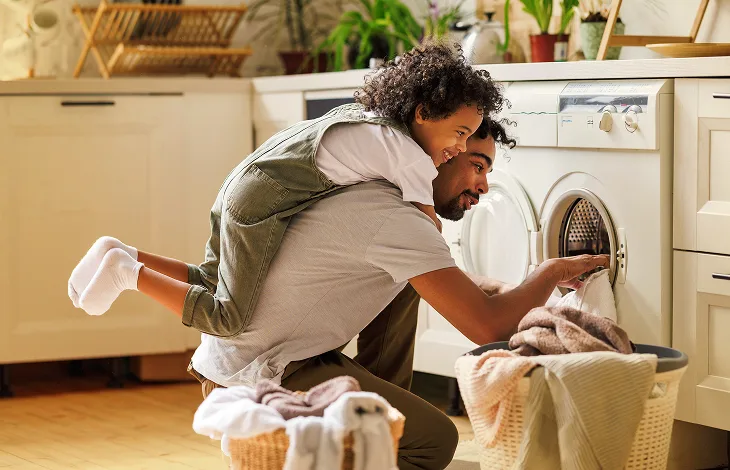
Small items such as coffee makers, food processors and other small appliances should be emptied. Wrap their cords in a storage bag and place them inside the appliance. Use towels as padding before packing them in boxes. Label appliance boxes with "Fragile" so they don't get thrown around during the move. If you're moving a washer and dryer, take advantage of the extra packing space! Place comforters, pillows, towels or extra bed linens inside your washer and dryer and seal the doors closed with masking tape.

Dining room

Roll rugs and secure them with twist ties. Secure all doors and drawers in cabinets to ensure that they don't open during the move. Use painter’s tape to avoid any damage to the furniture. Fold draperies and curtains lengthwise, place them over a padded hanger and then hang in a wardrobe. Curtains can be transported in suitcases — make sure you line them with clean paper or wrapping material.

Living and family room

Pack lamp bases before removing and wrapping bulbs. Protect lamp shades with tissue, a pillowcase or a light towel. Carry irreplaceable photos, videos and negatives with you. For mirrors or large frames, apply an “X” of masking tape on the glass to reduce shattering.

Pro tips for packing fragile items

  • Line the bottoms of boxes with kitchen towels, linens or rolled‑up tissue to serve as bumpers for breakable items
  • Use clothing, towels and blankets to protect breakables and save on packing supplies
  • Wrap breakables and glassware like plates, bowls and vases in tissue paper, clean socks, old newspapers or kitchen towels before packing
  • Use coffee filters as plate separators to put between plates if you don't want to individually wrap them
  • Place large blankets over dining tables and wood furniture and secure them with rubber bands to help prevent scratches

Bedrooms and nurseries

Pack less-used rooms first, like the guest room. You could also use this room for storage as you pack the rest of your home. Carefully pack linens, sheets and pillows in a clear garbage bag, labeling them to help you identify which bedroom the bag belongs to. Draperies and curtains may be folded and packed in boxes lined with wrapping paper.
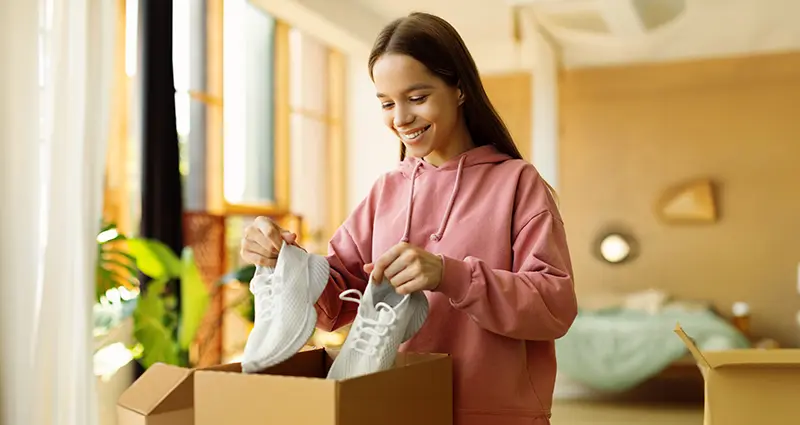
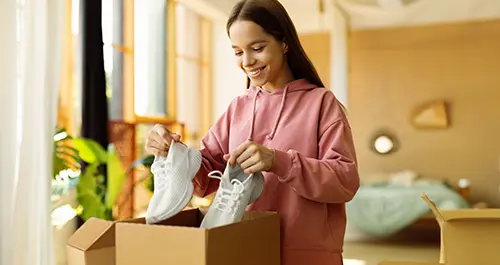
Girl packing her sneakers into a box

Packing clothing and accessories

Jewelry safety

Keep valuable jewelry in a secure box. Don't pack valuables on the moving truck. Thread your favorite thin necklaces through drinking straws or toilet paper rolls to keep them from getting tangled and use buttons to keep your earrings together.

Packing shoes

You can use small totes, bins, gym bags and beverage containers to carefully pack and move shoes. Label each box that contains footwear. This will help you save time when you are unpacking.

Pack hanging clothes in trash bags

If you’re looking to save money and time, this method is the best way to pack clothes for moving. Instead of taking the time to fold your hanging clothes into boxes and bags, keep your clothes on their hangers and wrap them in trash bags. This makes it easy to transport your clothes and quickly hang them in your new closet. It also saves space and the expenses that come with more boxes. If you can, get trash bags with handles. These stay in place better while being transported, can fit more garments, and can be reused as trash bags afterward.

How to pack hanging clothes with trash bags

  • Gather a group of garments (still hanging), starting with about 10 to 15 pieces for a standard trash bag
  • Start from the bottom of your garments and move upward with the top of your bag
  • When your clothes are completely inside the bag, wrap the handles around a few or all of the hanger hooks to keep the bag in place
     

For a bag with no handles or longer garments, make a hole in the bottom of the bag and hang the bag over the clothes like a garment bag. You may need to pack these garments in smaller groups.


Bathroom

Try to pack your bathroom last, just in case! Place cotton balls or rounds under makeup compact lids to prevent cracking and tape lids that may pop open. To prevent leaks, place plastic wrap between bottle tops and lids and seal liquids in resealable bags.

From organized unpacking to quick electricity setup

Just like managing your home’s daily energy usage, a successful move comes down to proper planning and clear organization. Bringing all your hard work together — from packing one room at a time to color-coding your boxes — can make moving day a natural next step.

Signing up for Direct Energy is easy!

We offer a wide range of plans and even help you customize them to fit your needs! Shop our plans to find your best fit today.  

Room-by-room packing FAQs

Show all answers

Pack one room at a time, starting with spaces you use least, and label boxes clearly with the room name and key contents. This helps keep items organized and makes unpacking easier.

Start with items you don’t use daily, such as seasonal clothing, décor and guest‑room furnishings. Packing early reduces last‑minute stress and keeps essentials accessible.

Declutter pantry items first, pack heavy cookware and food in small boxes and cushion fragile items with towels or packing paper. Set aside a kitchen essentials box for your first day.

Wrap each item individually, cushion the bottom and top of every box and fill empty space so items don’t shift. Label boxes “Fragile” and avoid overpacking.

Keep clothes on hangers and cover them with clean trash bags or use wardrobe boxes. Suitcases work well for bulky clothing and shoes.

Do not pack hazardous materials, open liquids, perishable food or valuables. Important documents, medications and jewelry should stay with you.

Include toiletries, a few days of clothing, chargers, basic tools, paper towels and any daily‑use items you’ll need right away. This helps you settle in without searching through boxes.

Start setting up electricity in your new home as soon as your move‑in date and address are confirmed. Scheduling early can help ensure that power is on when you arrive, especially during a move.

View more +

Explore the learning center

Explore our other categories by selecting one from the dropdown menu. 

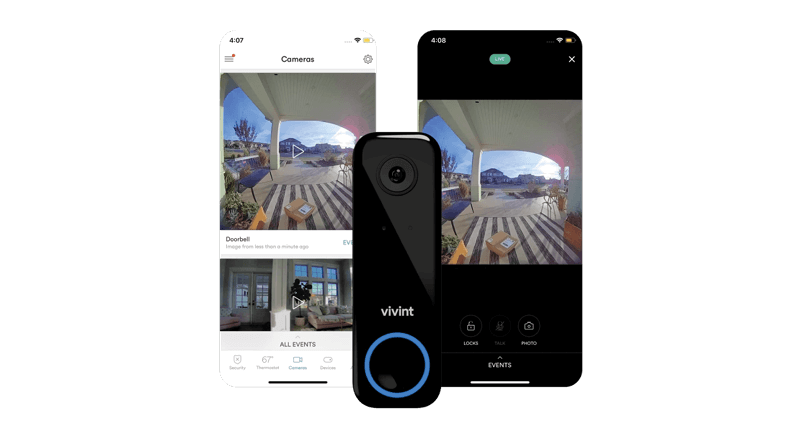
A smarter, safer home

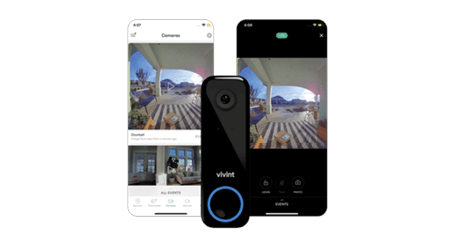
Home security, automation and efficiency at your fingertips. Protect your peace of mind with an exclusive offer from our partner Vivint.
Signing up for Direct Energy is easy!

We offer a wide range of plans and even help you customize them to fit your needs! Shop our plans to find your best fit today.  

Need help placing an order?
Texas customers: Call us at 1-855-461-1926
Northeast and Midwest customers: Contact us


Questions about your current service?
Texas customers: Call us at 1-888-305-3828
Northeast and Midwest customers: Contact us