





Winter energy saving tips to lower your energy bills

Direct Energy, October 21, 2026

4 minute read

Winter energy saving tips to lower your energy bills

Direct Energy, October 21, 2026

4 minute read

Cold weather can lead to higher energy bills as your heating system works harder to keep your home comfortable. According to the U.S. Energy Information Administration, space heating accounted for 42% of total energy consumed in U.S. homes in 2020.

The good news? A few simple changes can help you save energy in winter without sacrificing comfort. From adjusting your thermostat and sealing drafts to improving insulation, these winter energy-saving tips can help make your home more efficient and manage your electricity and natural gas costs.

How to make your home more energy efficient in winter

Saving energy in winter starts with reducing unnecessary heating, preventing heat loss and making smarter energy choices around your home.

Here are seven ways to get started:

  1. Adjust your thermostat. Lower the temperature when you're asleep or away, if appropriate for your heating system.

  2. Seal drafts around windows and doors. Use caulk or weatherstripping to keep warm air from escaping.

  3. Maintain your heating system. Check HVAC filters regularly and keep vents clear of furniture and other obstructions.

  4. Improve your home's insulation. Check your attic and other areas for opportunities to reduce heat loss.

  5. Let sunlight warm your home. Open curtains during sunny days and close them at night to help retain warmth.

  6. Switch to energy-efficient lighting. Replace older incandescent bulbs with LEDs and turn off lights when they're not needed.

  7. Reduce hot water energy use. Take shorter showers, fix leaks and wash clothes in cold water when appropriate.

Explore these tips in more detail below to find ways to save energy that work for your home.

Woman sitting on a couch with a blanket and her dog

1. Adjust your thermostat to reduce heating costs

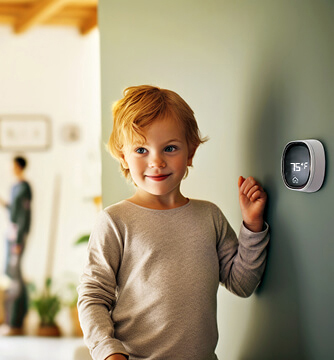
Heating is one of the biggest contributors to household energy consumption during winter. Setting your thermostat to around 68°F while you're awake and at home can be a good starting point for saving energy.

According to the U.S. Department of Energy, adjusting your thermostat by 7–10°F for eight hours a day can save as much as 10% annually on heating and cooling costs. Actual savings depend on your heating system, home insulation and climate.

A programmable or smart thermostat can make it easier to manage temperatures throughout the day. If you use a heat pump, keep in mind that large temperature setbacks may be less efficient unless you have a compatible thermostat.

For more guidance on daytime, nighttime and away-from-home temperatures, explore our recommended thermostat settings for winter.

2. Keep your heating system running efficiently

Whether you use an electric heat pump or a natural gas furnace, regular maintenance can help your heating system operate efficiently throughout winter.

  • Check HVAC filters regularly. Dirty filters restrict airflow and can make your heating system work harder. Clean or replace them according to the manufacturer's recommendations.

  • Keep vents and air returns clear. Make sure furniture, curtains and other objects aren't blocking airflow. Avoid closing vents in unused rooms unless your system is designed for it.

  • Schedule professional maintenance. A qualified technician can inspect your heating system, identify potential issues and help ensure it operates safely and efficiently.

  • Check for ductwork leaks. Leaky or poorly insulated ducts can waste heated air, particularly in unconditioned spaces such as attics or crawl spaces.

3. Prevent heat loss through windows, doors and insulation

One of the most effective ways to improve your home's winter energy efficiency is to reduce heat loss. According to ENERGY STAR, homeowners can save an estimated average of 15% on heating and cooling costs by sealing air leaks and improving insulation in key areas of the home.

Start with these simple improvements:

  • Seal drafts. Inspect windows and doors for gaps, and use weatherstripping or caulk to help prevent air leaks.

  • Check your attic insulation. Adequate insulation helps reduce heat transfer and keeps your indoor temperature more consistent.

  • Use window coverings wisely. Open curtains during sunny days to let in natural warmth, then close them at night to help reduce heat loss.

  • Keep your garage door closed. If you have an attached garage, limiting cold air entering the space can help reduce drafts into your home.

For more ways to prepare your home before temperatures drop, follow our winter home preparation checklist.

4. Make small changes to reduce everyday energy use

Heating isn't the only way your household uses energy during winter. Small changes to lighting, hot water use and daily habits can also help reduce consumption.

  • Switch to LED lighting. ENERGY STAR-certified LEDs use at least 75% less energy than traditional incandescent lighting, helping you reduce electricity use during shorter winter days.

  • Reduce hot water use. Take shorter showers, wash clothes in cold water when appropriate and repair leaking hot water faucets.

  • Use rugs for added comfort. Area rugs can make hard floors feel warmer underfoot without raising your thermostat setting.

  • Maintain comfortable humidity. A humidifier may improve comfort in dry conditions, but avoid excessive indoor humidity that can cause condensation or mold.

  • Use fireplaces efficiently. Keep the damper closed when a wood-burning fireplace is not in use and the fire and embers are fully extinguished. Have your fireplace and chimney inspected as recommended.

Even small adjustments can add up, especially when they become part of your everyday routine.

5. Understand how winter affects your electricity and natural gas bills

Winter energy costs depend on more than just outdoor temperatures. Your home's heating system, energy consumption, local climate and electricity or natural gas rates all play a role.

Homes with electric heating may see higher electricity usage during colder months, while homes heated with natural gas may experience increases in gas consumption. Improving energy efficiency can help reduce the energy needed to keep your home comfortable, regardless of your heating source.

Looking for ways to manage your specific energy costs? Explore our guides on how to lower your electric bill in winter and why your natural gas bill may be higher in winter.

Frequently asked questions about saving energy in winter

What are the most effective ways to save energy in winter?

Start by managing your thermostat settings, keeping your heating system maintained, sealing air leaks and improving insulation. These actions can help reduce heating-related energy use, which is a major contributor to household energy consumption during winter.

How can I make my home more energy efficient before winter?

Check your heating system, inspect windows and doors for drafts, review attic insulation and prepare your thermostat for colder weather. Taking these steps before temperatures drop can help prevent unnecessary energy use throughout winter.

Can you save energy in winter without making major home improvements?

Yes. Simple actions such as adjusting thermostat settings, keeping heating vents clear, using curtains strategically, switching to LED bulbs and reducing hot water use can help improve energy efficiency without major renovations.

Save energy and stay comfortable this winter

Making your home more energy efficient doesn't have to mean taking on major renovations. Start with a few practical changes that fit your household's needs, and build energy-saving habits that can help you manage costs throughout winter.

Looking for more ways to manage your energy expenses? Explore Direct Energy's electricity and natural gas plans available in your area.


Explore the learning center

Explore our other categories by selecting one from the dropdown menu. 

1982472_DE Category Page Large Promos_FinalImagesforDev

A smarter, safer home

Home security, automation and efficiency at your fingertips. Protect your peace of mind with an exclusive offer from our partner Vivint.

Signing up for Direct Energy is easy!

We offer a wide range of plans and even help you customize them to fit your needs! Shop our plans to find your best fit today.  

Need help placing an order?
Texas customers: Call us at 1-855-461-1926
Northeast and Midwest customers: Contact us


Questions about your current service?
Texas customers: Call us at 1-888-305-3828
Northeast and Midwest customers: Contact us