How to weatherize your home for any climate

Direct Energy, January 5, 2026

5 minute read

How to weatherize your home for any climate

Direct Energy, January 5, 2026

5 minute read

Extreme temperatures can push your energy bills higher and make your home uncomfortable. The good news? Weatherizing your home doesn’t have to be expensive or complicated. In this guide, we share practical, low-cost tips to help you prepare for summer heat and winter chills, so you can stay comfortable and save money all year long.

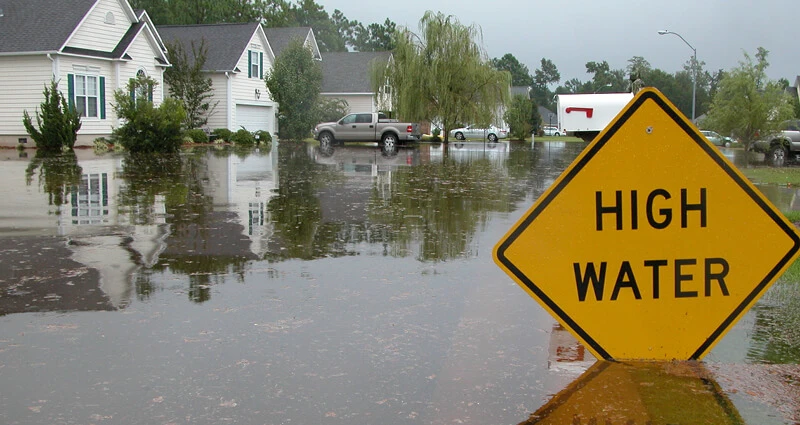
Pickup truck passing through flooded road

Understanding home weatherization

What is weatherizing?

Weatherization means making your home more energy-efficient by sealing leaks, adding insulation and improving ventilation. These upgrades help stabilize indoor temperatures, reduce drafts and lower utility bills.

What is the process of weatherizing like?

Weatherization combines an audit (to find where your home leaks energy) with targeted upgrades like sealing gaps, adding cost‑effective insulation and tuning up HVAC and ventilation for healthier air. Done well, it treats the house as a system, looking at the building “envelope” (attic, walls, floors), heating/cooling and electric baseload together so that each fix reinforces the others.

Why is weatherization important for energy efficiency?

The Environmental Protection Agency (EPA) estimates that air sealing plus insulation can cut heating and cooling costs by about 15% (≈11% of total energy), especially when you focus on attics, rim joists and crawl‑space floors.

Across large‑scale programs, the Department of Energy (DOE) reports average annual bill reductions of around $372 per weatherized home and measurable drops in heating and electric use. That's real savings for your household budget.

Winter home weatherization strategies

Insulation slows heat flow, which keeps warmth inside and cold outside. Here's how to implement this in your home.

Home insulation materials

Home insulation can be cost-effective, but you’ll need some materials on hand to get started.

Fiberglass batts or blown‑in

Batts are the rolls of blanket-like insulation frequently seen covering the attic of a house. They’re widely available, budget‑friendly and effective when installed without gaps. Blown-in is made up of loose materials like fiberglass or cellulose that is blown into attics, walls and crawl spaces by a machine. Blown-in is handy for filling small gaps in a home’s insulation.

Cellulose (loose‑fill or dense‑pack)

This insulation is made of recycled paper products that are treated with fire-resistant and insect-resistant additives. It’s eco-friendly and can last for decades.

Mineral wool

Looking much like fiberglass batts, mineral wool comes in blanket-like rolls that cover a surface in a home, such as the attic. Mineral wool is fire‑resistant and moisture‑tolerant, making it useful in basements.

Tips for choosing materials

  • Consider options with recycled content.
  • Try to prioritize a quality installation technique that covers voids—proper fit often matters more than the product label for long‑term performance.


Tips for a low-cost DIY insulation install

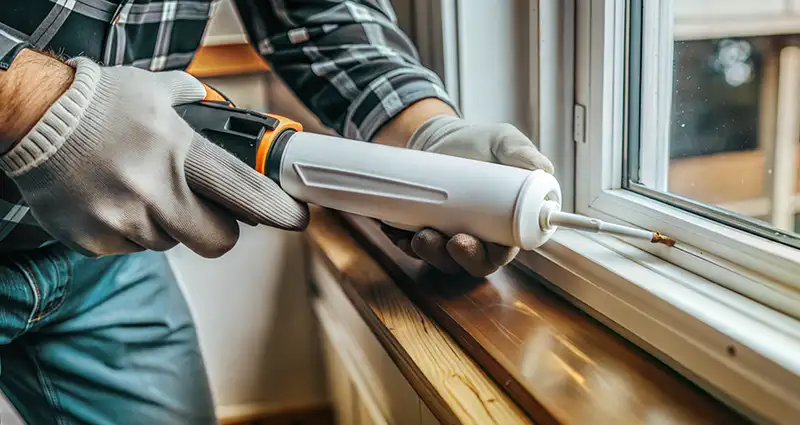
  • Air-seal gaps and cracks in the area you want to insulate. Use caulk or expanding foam for small gaps and weatherstripping for larger openings.
  • After air-sealing, add insulation using whichever material works best for your situation.
  • Insulate rim joists and accessible basement areas; these spots leak a surprising amount of heat.


Sealing air leaks

Air leaks around attics, foundations and openings can contribute to heat loss. Let’s go through some things to watch for.

  • Attic bypasses (gaps around plumbing stacks, chimneys and recessed lights): You can often seal these with fire‑rated caulk or foam.
  • Windows and doors: Try applying caulk and weatherstripping. You can even install storm windows if your budget allows.
  • Foundation and sill plates: Seal cracks to stop cold infiltration and moisture.


Tools, methods and materials

  • To detect leaks, use a smoke pencil or blower‑door test.
  • Seal with silicone/latex caulk, expanding foam, gaskets and door sweeps.

Summer home weatherization strategies

Reflective roofing or shading

Keeping heat out is half the battle in summer. Roof materials make a big difference.

Cool roofs, a roofing system designed to reflect more sunlight and absorb less heat than dark roof materials, can reduce surface temps by 50°F or more on sunny afternoons. That can lower AC demand and improve comfort in spaces without air conditioning.

Cool roofs can lower peak indoor temperatures by ~2.2–5.9°F, a big comfort boost during heat waves.

Affordable DIY shading tips

  • Add solar screens or films on west‑ and south‑facing windows. Solar film is a thin, adhesive layer applied directly to the inside of windows. It’s nearly invisible and can block up to 99% of UV rays as well as solar heat. Solar screens accomplish this same effect using a mesh covering that works from the outer surface of the window.
  • Use awnings, pergolas and deciduous landscaping to shade façades seasonally. Leaves can block summer sun, while allowing winter sun to shine through.
  • Light‑colored or reflective roof coatings are specialized finishes applied to the surface of a roof to increase its ability to reflect sunlight and release heat.


Ventilation improvements

If your home is energy-efficient—whether it’s brand new or recently upgraded—it still needs mechanical ventilation. By that we mean systems that circulate fresh air using ducts and fans, rather than relying on spontaneous airflow as people go in and out of the home. This keeps the air inside fresh and healthy.

Spot ventilation and whole-house ventilation

Spot ventilation is designed to remove moisture, odors and pollutants right at their source, such as in kitchens and bathrooms. This is typically achieved with exhaust fans that quickly improve air quality in those specific areas.

Whole-house ventilation, by contrast, provides a steady flow of fresh air throughout the entire home. These systems—such as exhaust-only, supply-only, balanced and energy recovery ventilators—help maintain consistent indoor air quality and comfort for all living spaces.

Climate considerations

For regions featuring hot humid climates, it's recommended that ventilation systems manage moisture carefully. That prevents mold growth and tends to maintain a comfortable environment.

In mild, dry climates, humidity tends to be less of a concern. For these settings, ventilation can focus primarily on efficient air exchange and energy savings.

Climate‑specific modifications

Weatherizing according to region

Weatherization needs vary among parts of the U.S., according to humidity and temperature trends.

In the Northeast, colder climates require higher attic insulation levels (typically R‑49 to R‑60) and robust air sealing, along with whole‑home audits and shell improvements. Check out the DOE’s Weatherization Assistance Program (WAP).

In the South, particularly hot‑humid zones, DOE’s Building America hot‑humid climate guides emphasize strategies like sealing the indoor space to keep moisture out, optimizing attic assemblies with unvented roof designs and getting a high‑performance HVAC to manage humidity and keep cooling costs down.

In the West, where many states fall into dry or mixed‑dry climate zones, DOE climate‑zone guidance highlights insulation and air‑sealing needs tailored to arid conditions. These areas can fluctuate between hot and cold conditions.


Adapting based on climate extremes

Extreme weather events—such as deep freezes, heat waves and wildfire smoke—require targeted strategies to protect your home and maintain comfort.

  • Cold snaps: To head off the effects of low temperatures, seal plumbing penetrations and insulate exposed pipes. That can help prevent freezing. Adding air sealing at sill plates helps block cold drafts and can prevent burst pipes.
  • Heat waves: Try combining cool roofs and solar screens with balanced ventilation and filtration. This approach keeps indoor temperatures manageable while reducing pollutants that often rise during extreme heat.
  • Wildfire smoke (western regions): Use supply or balanced ventilation systems equipped with MERV-rated filters. A supply ventilation system brings in outdoor air using a fan to create slight positive pressure, reducing unfiltered air leaks. A balanced ventilation system uses two fans—one for intake and one for exhaust—to keep indoor pressure neutral while controlling airflow. MERV-rated filters (Minimum Efficiency Reporting Value) indicate how well a filter captures particles; higher ratings, typically 13 or above, trap fine smoke particles and improve indoor air quality. These combined measures help maintain healthy indoor air while limiting smoke infiltration during wildfire events.
  • Proven local solutions: DOE’s Weatherization Assistance Program demonstrates how “whole-house” retrofits—air sealing, insulation, ventilation and safety checks—consistently deliver energy savings of about $372 per year for households nationwide.


DIY weatherization tips you can do over a weekend

Here are some manageable projects for a weekend of weatherizing. You could pick one, and schedule the rest for upcoming weekends.

Door and window air sealing

Apply weatherstripping around door and window perimeters to block drafts. Use caulk to seal gaps around trim, and install door sweeps to prevent air leakage at the bottom of doors.

Attic hatch and recessed lights

Add a gasket to the attic hatch to create a tight seal. For recessed lighting, install IC-rated covers over can lights, then seal and insulate around them to reduce heat loss.

Water heater and pipes

Set your water heater to 120°F for safety and efficiency. Wrap the tank with an insulation blanket and add pipe insulation to hot water lines to minimize heat loss.

Ventilation check

Ensure bathroom and kitchen exhaust fans vent outdoors, not into the attic. In climates where it makes sense, consider installing an Energy Recovery Ventilator (ERV) or Heat Recovery Ventilator (HRV) to improve indoor air quality and energy efficiency.


Plan for weatherizing

Weatherizing your home can be one of the smartest, most budget-friendly upgrades available. Weatherization is about understanding your home as a system, then applying practical tips for winter and summer—air sealing, cost‑effective home insulation, shading/cool roofs and climate‑right ventilation—to lower bills and boost comfort. Programs and studies consistently show meaningful savings from these measures.

Learn more about home energy management

Check out more ways to make your home energy efficient all year long. Our Learning Center has more home energy management advice.

FAQ

Show all answers

Start with an energy audit, then air seal attic/foundation leaks and add insulation (attic, rim joists). Expect ~15% HVAC savings when air sealing is paired with insulation in key assemblies.

Install solar screens/films, upgrade to cool roof materials/coatings where feasible, and tune ventilation (spot + balanced) to manage heat and moisture. These measures lower indoor temps and reduce AC loads.

Seal and insulate for resilience (winter), add reflective roofing/shading (summer), and select ventilation strategies by climate (ERV in humid areas, HRV in cold). Integrate smoke‑safe filtration in wildfire‑prone regions.

DIY air sealing plus attic blown‑in kits, rim‑joist insulation, and weatherstripping windows/doors yield strong returns before major remodels. Use EPA’s project guides to prioritize.

Explore the learning center

Explore our other categories by selecting one from the dropdown menu. 

family having fun while moving making a cardboard house

Whole home protection

Energy is just the beginning. Discover protection plans that cover your home’s AC and heating system, plumbing, wiring and major appliances.

You might also like....

Signing up for Direct Energy is easy!

We offer a wide range of plans and even help you customize them to fit your needs! Shop our plans to find your best fit today.  

Shop plans

Need help placing an order?
Texas customers: Call us at 1-855-461-1926
Northeast and Midwest customers: Contact us


Questions about your current service?
Texas customers: Call us at 1-888-305-3828
Northeast and Midwest customers: Contact us