Best winter thermostat settings for comfort and savings
When cold weather hits, the best winter thermostat settings balance comfort and energy savings. For most homes, that means keeping things warmer when you’re awake and at home, and a few degrees cooler when you’re asleep or away. The goal isn’t a single “perfect” number, but a range that keeps you comfortable while helping control heating costs.
Quick winter temperature guide
- Daytime (at home): 68°F
- Nighttime: 62-66°F
- Away from home: 62-66°F
- Maximum recommended setback: 7-10°F for 8 hours
Daytime temperature recommendations
During the day, when people are active, around 68°F (20°C) is a comfortable and efficient setting. If you prefer things warmer, you can begin near 72°F (22°C) and gradually lower the temperature while adding layers as needed. Small, steady temperature reductions throughout the day help curb heating use without sacrificing comfort.
Nighttime temperature adjustments
At night, cooler temperatures often feel natural as your body relaxes, and 62°F to 66°F (17°C to 19°C) works well for most sleepers. If your home tends to run warm, gently step down from 68°F to 66°F (20°C to 19°C) to find a cozy balance. Lower nighttime settings can improve sleep quality while reducing your energy usage.
Why these winter temperatures work
Slightly cooler winter settings generally support better sleep, keep your heating system from overworking, and help maintain overall energy efficiency, all while maintaining the comfort of your home.
Balancing comfort and energy efficiency in winter
Finding the right thermostat setting for winter is a balancing act. You want to stay warm, but you also want to avoid over‑heating your home and driving up your energy use. Small adjustments can make a meaningful difference:
- Turning your thermostat down when you’re away or asleep helps reduce unnecessary heating.
- The U.S. Department of Energy estimates you can save about 1% on heating costs for every degree you turn the thermostat back for 8 hours a day, and savings of up to 10% a year by lowering your thermostat 7-10°F (4-6°C) from its normal setting for 8 hours daily.
By using recommended thermostat settings for winter and making small, steady changes, you can stay comfortable and still look for ways to save on energy use.
How to estimate your potential heating savings
Based on the U.S. Department of Energy's suggestion to save about 1% per degree, you can streamline these savings when you:
- Choose your baseline temperature. For example, you normally keep your home at 70°F (21°C) all day and night.
- Decide how much to lower it and when. Consider lowering it to 64°F (18°C) while you’re asleep and away (a 6°F setback) for about 16 hours a day.
- Estimate your potential savings. A 6°F (3°C) setback can often move you toward the up to 10% annual savings range, especially if you apply it consistently throughout the heating season.
Actual savings depend on your home, system, insulation, weather and energy prices, but using setbacks regularly is a simple way to aim for lower heating costs without sacrificing comfort.
Smart thermostat benefits
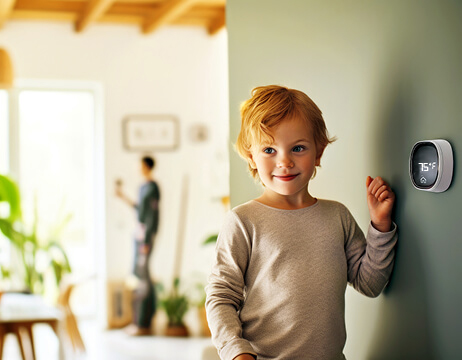
Smart thermostats are one of the most effective ways to manage winter heating because they automate temperature adjustments, adapt to your routine, and provide insights that help you use energy more efficiently. They also help ensure you are using energy only when your home needs it.
Why smart thermostats make a difference
You can explore several key benefits that smart thermostats offer, many of which are highlighted in Direct Energy’s guidance on best thermostat settings for energy savings.
- Learns your patterns: Many smart models study your daily habits and adjust temperatures automatically throughout the day.
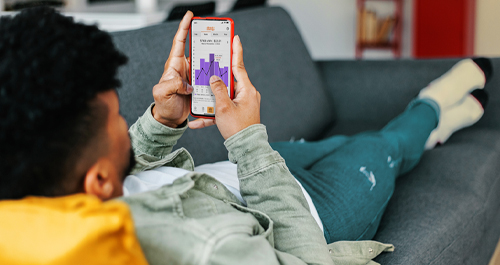
- Remote control: You can adjust settings from your phone if plans change or you are running late.
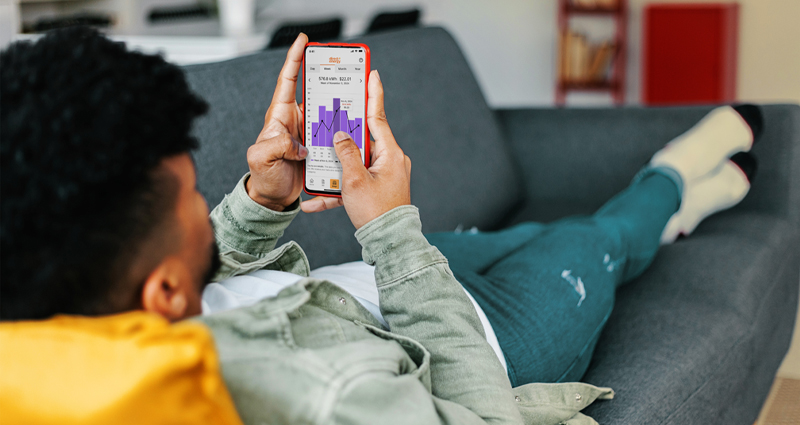
- Usage insights: Energy‑use monitoring helps you understand how adjustments affect consumption, which makes it easier to find meaningful savings.
- Potential savings: Following U.S. Department of Energy setback guidance, smart thermostats can help households reach up to 10% per year heating and cooling savings by lowering temperatures when you are asleep or away.
Programmable thermostats can still support basic day and night temperature schedules if your routine is predictable, but they may not offer the adaptive learning, insights or automated convenience of smart thermostats.
Additional ways to save on heating costs
Since you still want to reduce your winter energy expenses without feeling the cold, it pays to be creative.
- Shop for an affordable electricity rate to ensure you're not paying more than you need to for your power with options from Direct Energy to help you make the most of your dollar.
- Close doors and vents to unused rooms to make it easier for the home's furnace to deliver the desired temperature to occupied living spaces.
- Schedule annual furnace maintenance and inspection.
- Seal cracks around the windows or door jambs.
- Bundle up. Dressing warmly, even inside the home, will make your family less reliant on the furnace, allowing you to turn down the thermostat another degree. Try using an electric blanket for extra warmth.
- Use ceiling fans set on low, rotating clockwise to push warm air down.
- Open south‑facing blinds during the day for passive heating.
Start saving energy today
Determining the perfect winter indoor temperature for your home is really a matter of supply and demand. You must measure your family's desired comfort against the price you're willing to pay for your winter heating bills.
Employing the strategies above can help you find that comfortable winter thermostat setting, one that doesn't depend completely on your furnace and its associated expenses.
Want to save even more? Sign up for an electricity plan with Direct Energy and you'll get the tools you need to track your usage and stay energy efficient.