Stay safe in severe weather! Learn the difference between flash flood watches and warnings, and essential safety tips here.
-
It means 80% of your electricity is doing useful work, while other 20% is wasted.


Please verify your service location to access this:
Please verify your service location to access this:

Direct Energy is dedicated to helping you choose the right energy solutions for your unique needs. Find the perfect fit with our electricity and natural gas plans today.



Moving in Texas? Transfer your current service, start electricity at your new home or get same-day service if you need power today.
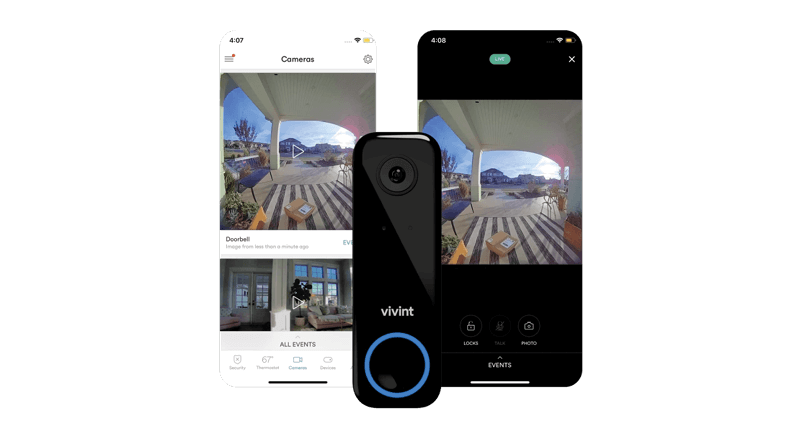
Home security, automation and efficiency at your fingertips. Protect your peace of mind with an exclusive offer from our partner Vivint.

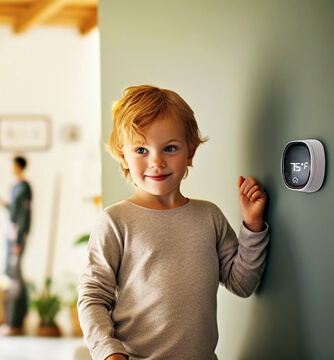

Discover practical, energy-saving tips to reduce electricity costs and increase efficiency at home or business. Knowledge is power, literally!



Get the Direct Energy app to easily pay your bill, manage your account, keep an eye on your usage, refer friends and more.

Direct Energy is dedicated to helping you choose the right energy solutions for your unique needs. Find the perfect fit with our electricity and natural gas plans today.
Moving in Texas? Transfer your current service, start electricity at your new home or get same-day service if you need power today.
Home security, automation and efficiency at your fingertips. Protect your peace of mind with an exclusive offer from our partner Vivint.
Discover practical, energy-saving tips to reduce electricity costs and increase efficiency at home or business. Knowledge is power, literally!
Get the Direct Energy app to easily pay your bill, manage your account, keep an eye on your usage, refer friends and more.
Make your home more efficient with power factor correction
Direct Energy, November 21, 2025
9 minute read
Make your home more efficient with power factor correction
Direct Energy, November 21, 2025
9 minute read
Want to save energy and lower your bills? You might already use LED lights or smart thermostats. You may have even considered unplugging all your devices and appliances when they’re not in use. But there’s another way to help your home use electricity better — it’s called power factor correction.

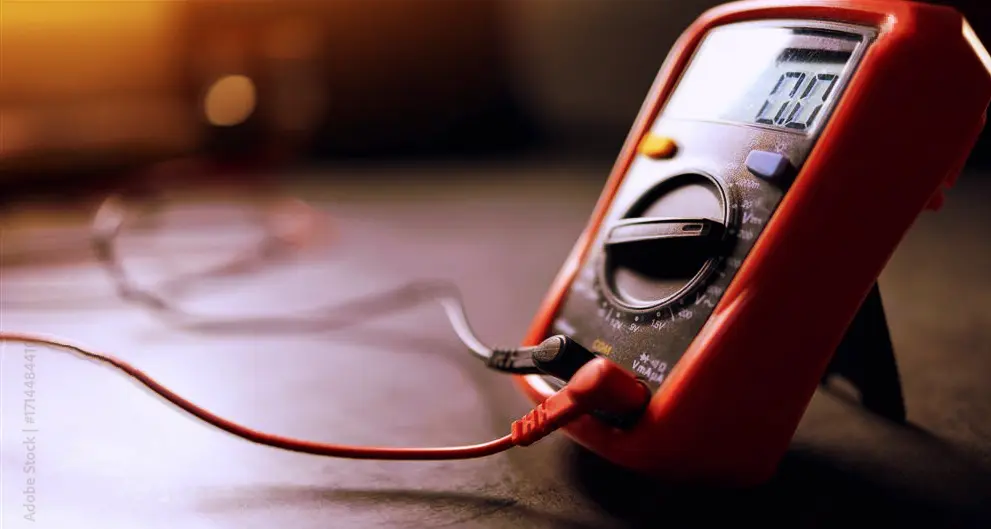

Power factor is a way to calculate energy efficiency and shows how well your home uses electricity. A high power factor means most of the electricity is doing useful work, while a low power factor means some energy is wasted.
We offer a wide range of plans and even help you customize them to fit your needs! Shop our plans to find your best fit today.
Think of power factor like this: if your home uses 100 units of electricity but only 75 units do useful work, your power factor is 75%. The other 25 units are just floating around, not helping.
You can measure power factor with tools like a wattmeter, voltmeter and ammeter. Here’s how:
Jessica wants to know how her older kitchen appliances use energy. She gathers the following information:
She does the math:
720 ÷ (120 × 8) = 720 ÷ 960 = 0.75 or 75%
This means only 75% of the electricity is doing useful work, while 25% is wasted.
A low power factor can cause:
Here are some common reasons:
Capacitors are small devices that help balance your home’s electricity use.
Capacitors give back some of the energy that motors take, which helps your system use electricity better and run cooler.
A capacitor bank is a group of capacitors working together. They help homes with naturally higher energy use, like ones with EV chargers. They balance energy use across your home, helping lower strain on wires and breakers.
| Problem | Fix |
|---|---|
| Frequent breaker tripping or voltage drops | Add capacitors near big appliances. |
| Energy bills go up without usage changes | Get an energy checkup and consider upgrading old appliances or adding capacitors. |
| Old or broken equipment starts operating inconsistently | Maintain or replace old systems. Capacitors can help, but fixing the root problem is better. |
| Electrical noise or device interference | Use filters, power conditioners or better electronics to clean up the signal. |
Improving your power factor helps you save energy and money. And with Direct Energy, you can choose a plan that fits your home and budget. Check out our energy plans and start saving today.
Explore our other categories by selecting one from the dropdown menu.



Home security, automation and efficiency at your fingertips. Protect your peace of mind with an exclusive offer from our partner Vivint.
It means 80% of your electricity is doing useful work, while other 20% is wasted.
It means 90% of your electricity is doing useful work.
Unity means 100% of your electricity is doing useful work, which is the best you can get.
They’re parts of your home’s electrical system. Examples:
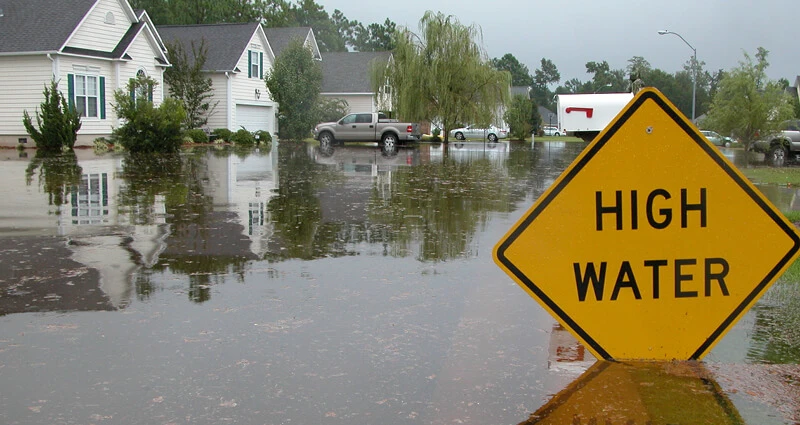
Stay safe in severe weather! Learn the difference between flash flood watches and warnings, and essential safety tips here.

Be prepared and stay safe during power outages with our essential tips and strategies. Knowledge is power, even when it's out!
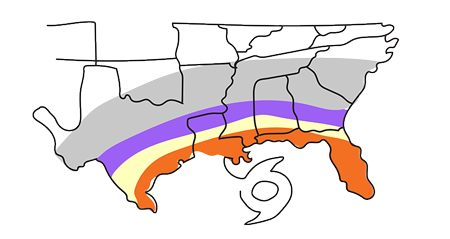
Stay prepared with hurricane guidelines, checklists, information on Critical Care or Chronic Condition designation, and a list of additional online resources.

Prepare for floods with our guide: elevate electronics, waterproof basements, heed alerts, secure valuables, pack essentials and consider flood insurance.

Learn how to calculate your electricity bill with simple formulas, tech tools, and expert tips. Understand your energy usage, reduce costs and take control of your monthly bills.

Learn the true cost of hot tub ownership, from energy usage to maintenance, and how to calculate a hot tub's energy cost.
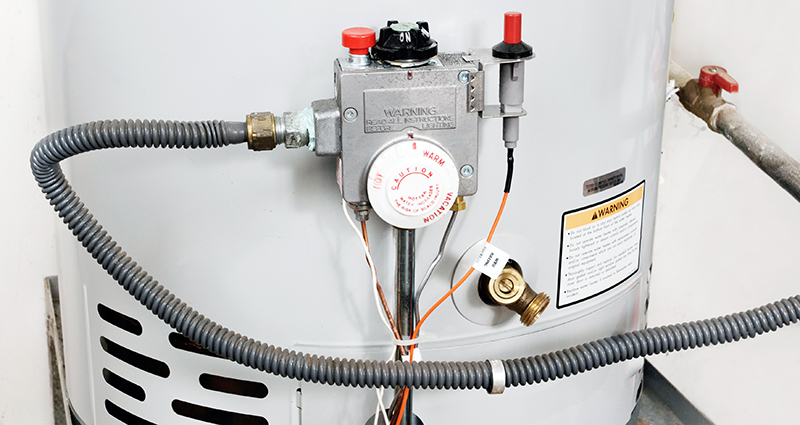
Discover how to calculate your water heater's energy use and learn efficient practices to minimize your bills.

Learn what uses the most electricity in a home, how to calculate your appliance's energy usage and how to use your home energy more efficiently.

Protect your valuable electronics from damaging power surges. Learn about surge protection and choose the right one for your home.
We offer a wide range of plans and even help you customize them to fit your needs! Shop our plans to find your best fit today.
Need help placing an order?
Texas customers: Call us at 1-855-461-1926
Northeast and Midwest customers: Contact us
Questions about your current service?
Texas customers: Call us at 1-888-305-3828
Northeast and Midwest customers: Contact us