Central air condition cost factors to consider
The cost of central air depends on more than the price of the AC unit itself. Every home is different. Things like existing ductwork, accessibility and electrical upgrades can all affect installation costs. Understanding these factors in advance can help you plan your project with fewer unexpected expenses.
System size and cooling capacity
Larger systems typically cost more, but bigger isn’t always better. An oversized air conditioner may cycle on and off too frequently, while one that’s too small may struggle to keep your home comfortable.
Energy-efficiency rating
A central air conditioner’s efficiency is measured using ratings such as SEER2 and EER2. Generally, the higher the rating, the less electricity the system needs to cool your home. A higher-efficiency air conditioner may cost more upfront, but it could help lower your monthly cooling costs over time. If you live in a warm climate and run your AC often, investing in a more efficient system may pay off through energy savings.
Ductwork condition
Your ductwork plays an important role in delivering cool air throughout your home. If the ducts are leaking, damaged or incorrectly sized, your new system may have to work harder to maintain a comfortable temperature.
Before installing the equipment, your contractor may recommend sealing, repairing or replacing parts of the duct system. This can add to the installation cost, but it can also help your new air conditioner perform as intended.
Installation complexity
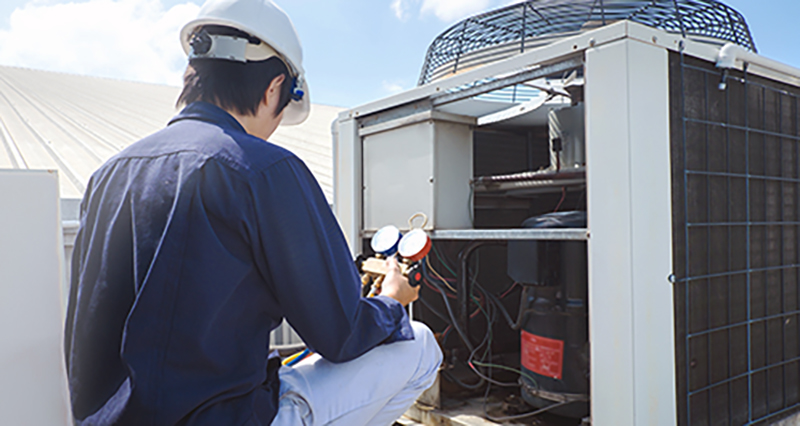
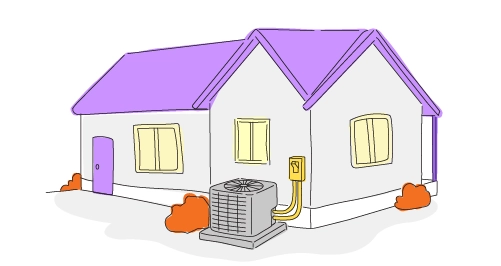
Some central AC installations are more straightforward than others. If the contractor needs to work in a cramped attic or crawl space, make structural changes or run new refrigerant lines, expect the labor costs to be higher. The placement of the indoor and outdoor equipment can also affect the amount of time and work needed.
Location and time of year
Central air costs can vary depending on where you live. Local labor rates, permit fees, climate and equipment availability can all influence the final price.
Timing can also make a difference. HVAC contractors are often busiest during the summer, which can make appointments harder to schedule. If your current system is nearing the end of its life, planning a replacement before hot seasons may give you more time to compare your options.