What is considered "windy"?
In general, wind speeds above 25 mph are considered windy enough to impact everyday activities. At this level, you may notice:
- Difficulty walking against the wind
- Outdoor furniture shifting
- Debris starting to move
What is considered "high wind"?
High winds typically start around 39 mph or higher. At this point, conditions can become hazardous.
- Tree branches can snap
- Power lines may be damaged
- Travel becomes more dangerous, especially for high-profile vehicles
When does wind become dangerous?
Winds become severe at 58 mph or higher, which is when official warnings are often issued. These winds can:
- Cause structural damage to homes
- Bring down trees and utility poles
- Lead to power outages and flying debris
If high winds are in the forecast, it’s important to secure outdoor items, stay indoors and be ready to act quickly if conditions worsen.
Safety during high winds
Property is replaceable, but there’s only one you. Your top priority should be making sure you and your family are safe until the winds die down.
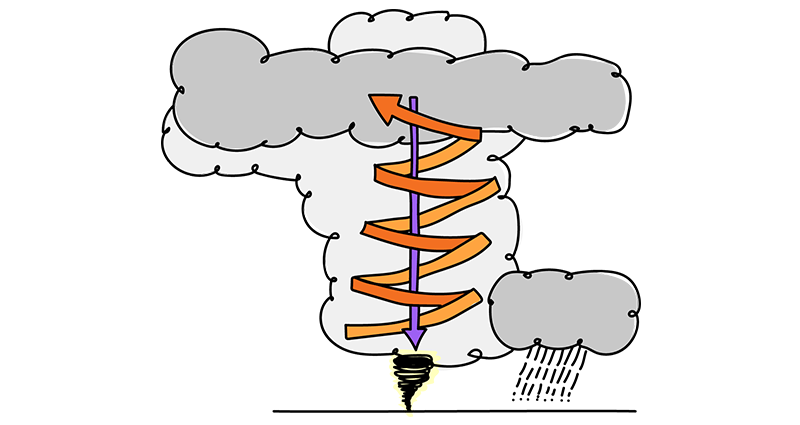
- Get indoors, if possible, when high winds are occurring. Stay away from windows, and if winds are severe or if tornadoes are possible, move to the basement or the lowest interior room. Manufactured homes and trailers are not safe shelters in high winds.
- If you’re stuck outside in high winds, seek the safest shelter possible. This could be next to a building or in an exterior below-ground stairwell. You want to protect yourself from flying debris or from being blown into more dangerous areas, like roads or train tracks. During extreme high winds or tornadoes, the safest place in an open area may be face-down in a ditch or low-lying ground, with your hands clasped behind your head.
- If you’re driving during high winds, reduce your speed. Also be sure to keep plenty of room between your car and others. It’s especially important to drive with caution in high winds if you’re driving a high-profile vehicle or if you’re towing a trailer. If the wind makes driving difficult, consider pulling onto the shoulder or into a parking lot and remaining in your vehicle while you wait for the wind to diminish.
- If you see a downed power line, don't go near it. Report to your local electrical utility provider or police and stay away from the area. Downed lines can electrify puddles and even moisture in the ground, so you should remain indoors if lines fall near your home.
Preparing your home for high winds
The damaging effects of windstorms can range from broken flowerpots to having your roof torn off. Here are some ways you can protect your property:
When high winds are predicted or imminent
- Bring pets and children indoors and move them to a safe location inside your home away from windows and doors.
- Secure loose items like toys, lawn furniture, trash cans, garden decorations and small potted plants by moving them to a shed or garage.
- Park your vehicles in a garage if the space is available.
- Secure large items outside your home that you can't move indoors with tie-downs or sandbags.
- Close and latch all doors, windows and storm shutters.
Plan ahead to avoid wind damage
- Trim your tree branches, especially in cases of dead limbs or limbs that could bring down power lines or crash through windows.
- Install storm shutters or other semi-permanent wind protection. If you’re bracing for a tropical storm or hurricane, you may have sufficient warning time to board up your windows with plywood.
- Schedule a professional roof inspection. An annual inspection can help you fix small things like loose shingles before wind or rain can turn them into major problems.
- Check your seals and insulation. Seal the cracks around windows and doors and check that your home’s insulation is up to par. On high-wind days, drafts can blow through old, cracked weather stripping and make your home feel chilly.
- Keep your yard clear of loose objects and debris that could be turned into projectiles by a stray gust.
- Prepare an emergency kit. High winds can cause downed power lines, leading to loss of electricity service. Keep an emergency kit stocked with food, water, flashlights, batteries and other essentials, in case your power is out for prolonged periods. If you experience an outage, contact your utility company to report it and receive updates on restoration efforts.
Understanding wind chills
A nice breeze is a welcome arrival on a stifling summer day, but when the thermometer drops in the winter months, wind can contribute to uncomfortable and possibly dangerous conditions. That’s because high winds provoke chills by causing you to lose body heat at a much faster rate than you would normally expect at a given temperature in non-windy conditions. This effect works primarily through convection - when the warmth is transferred out of your body and onto the fast-moving air molecules. You’ve probably heard of the wind chill factor – when it feels much colder outside than the thermometer would have you believe.
For example, according to the National Oceanic and Atmospheric Administration, on a 30° day, just 5 mph of wind can make it feel like 25° out. If that wind picks up to 30 mph, it will feel like 15°, a considerably chillier experience. The colder the actual temperature, the more acute the wind chill effect, which at extreme levels can lead to frostbite and other medical emergencies like hypothermia. If you have to venture outside, make sure you know what to do during wind chills.
What to do during wind chills
- Stay dry. Wet clothing can cause much faster heat loss. Wear insulated and waterproof boots when it’s snowy or rainy.
- Dress in layers. Layers of loose-fitting clothing help to insulate. Wear a hat and gloves.
- Stay informed. Don’t forget to take wind into account when calculating just how bundled up you need to be.
Wind and storms
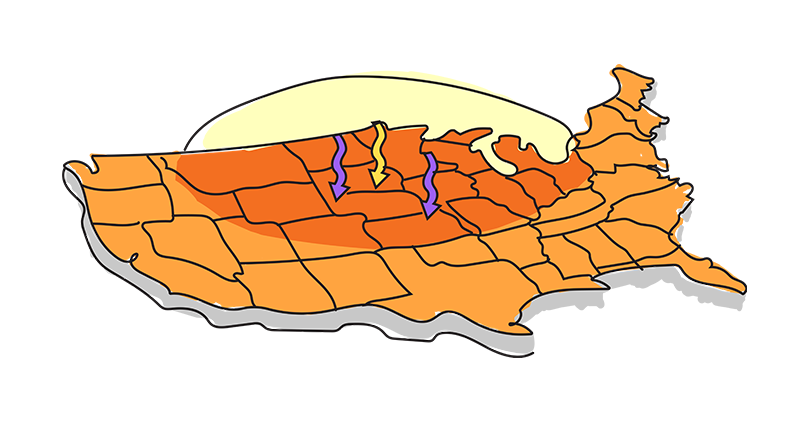
Wind can cause plenty of damage on its own, but it often arrives hand-in-hand with other forms of nasty weather that can compound the danger. Straight-line wind that precedes a thunderstorm is known as a derecho and can create considerable chaos even before heavy rains and lightning bolts arrive on the scene.
If the windstorm comes in wintertime and is accompanied by heavy snowfall that limits visibility, it’s likely to be classified as a blizzard, which carries its own set of precautions you should take to ensure the safety and security of your home and family.
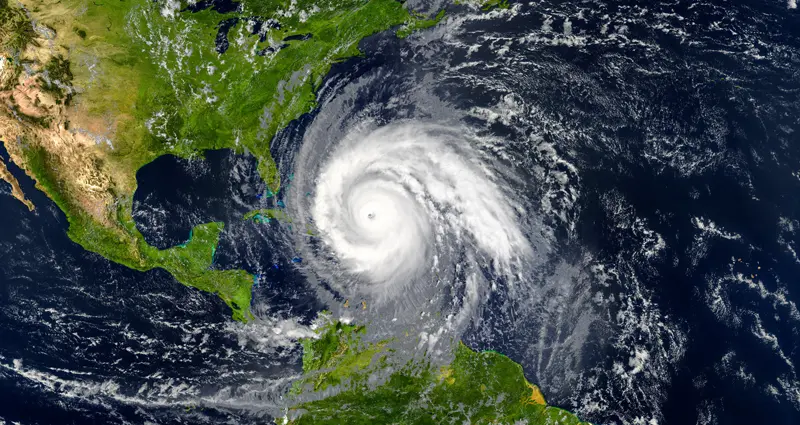
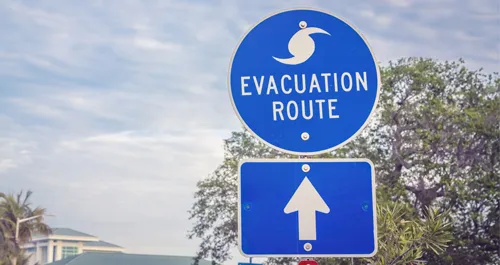
Depending on where you live, you may be subject to extreme wind-related weather events such as hurricanes or tornadoes, which are life-threatening occurrences that may require more intense emergency preparation up to and including evacuation. Please follow all instructions from local officials if you are unfortunate enough to experience such a disaster and make the safety of your family your number one priority.
High winds and wildfire are also a deadly combination, as history has shown through the many large wildfires that have affected the western parts of the United States. If you find yourself in the path of an uncontrolled wildfire, again, it’s imperative to vacate the area immediately and follow the guidance of the appropriate authority figures.