



How to maintain the humidity in your home

Direct Energy, January 15, 2026

4 minute read

How to maintain the humidity in your home

Direct Energy, January 15, 2026

4 minute read

Humidity isn’t just about comfort. It affects your health, your home and even your energy bills. Wondering what is a good humidity level for a house or how humid should your house be? The ideal range is typically between 30% and 50%, with seasonal adjustments to keep your living space healthy and efficient. In this guide, you’ll learn how to maintain humidity in your home, troubleshoot common issues and discover practical tips for every season.

The humidifier distributes steam in the kitchen in loft style

What is a good humidity level for your house? 

The ideal indoor humidity level for most homes is around 45%, which feels comfortable and helps prevent mold and dust mites.i Generally, keep it between 30% and 50%, adjusting lower in winter to avoid condensation. If you’ve ever asked how humid should your house be, this range is your answer.

Humidity needs also change with the seasons. In winter, lowering humidity (but, not too low) helps prevent condensation on windows and walls. In summer, slightly higher humidity feels comfortable but should stay below 50% to avoid allergens and mildew.

Signs of too low or too high indoor humidity

Your home will often tell you when humidity levels are off. Low humidity can cause dry skin, chapped lips and even bloody noses. It can also aggravate asthma and bronchitis. High humidity, on the other hand, can bring musty odors and mildew growth. It can also increase dust mites and attract pests. These signs help you decide how to maintain humidity in a room effectively.

The science behind these effects is simple: mold thrives when humidity exceeds 60%, especially in warm, stagnant areas. Dust mites multiply in humid environments above 50%. And comfort levels shift dramatically. High humidity makes air feel warmer and heavier, while low humidity can cause static electricity and dry air discomfort.ii

We have plans for everyone!

Choose from flexible plans that can fit any home, apartment or electricity need.

Shop plans

How to measure and monitor humidity in your home

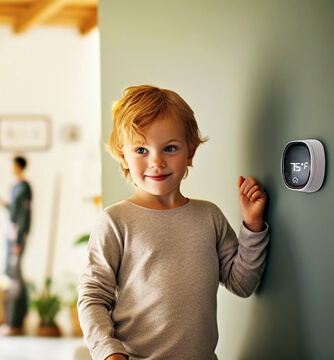
Use a hygrometer or a smart thermostat with built-in sensors to track humidity. If readings are consistently below 30% or above 50%, it’s time to take action. Monitoring helps you maintain the good humidity for house comfort and health.

Understanding recommended humidity levels based on outside weather

Indoor humidity needs change with outdoor temperatures. Your home’s humidity should be adjusted as outdoor temperatures change, especially in cold weather, to avoid moisture condensing on cold surfaces like windows. This table demonstrates the recommended maximum indoor relative humidity (RH) levels based on outdoor temperature to help prevent condensation on windows and maintain comfort. iii
 

Outdoor temperature (°F) Recommended max indoor RH (%)
-20 15.0
-10 20.0
0 25.0
10 30.0
20 35.0
30 40.0
40 45.0
50 47.5
60 50.0
70 55.0
80 60.0

Effective ways to increase indoor humidity

Looking for how to maintain humidity in a room? Try hang-drying clothes, placing bowls of water near heat sources or using a humidifier. For whole-home coverage, consider a furnace-mounted humidifier.

How to lower indoor humidity

If your home feels damp, use a dehumidifieriv or run exhaust fans while cooking or showering. Your air conditioner also helps remove moisture. These steps help ensure you maintain a good humidity for home comfort. For extra protection, cover dirt floors in crawl spaces with a vapor barrier, and even consider adding Boston ferns houseplants that naturally absorb moisture.

Keeping comfort in balance

Managing humidity isn’t just about comfort. It’s about creating a healthier home environment. By monitoring your indoor levels and making seasonal adjustments, you can prevent mold, reduce allergens and protect your home’s structure. Whether you need to add moisture or remove it, the right strategies will keep your living space comfortable and safe all year long.

Sources

Why the Right Home Humidity Matters - Consumer Reports

ii Care for Your Air: A Guide to Indoor Air Quality | US EPA

iii Managing Humidity Levels | Center for Energy and Environment

iv Dehumidifier Buying Guide - Consumer Reports

Frequently asked questions

The ideal indoor humidity level is around 45%, which feels comfortable and helps prevent mold and dust mites. Generally, keep it between 30% and 50%, adjusting lower in winter to avoid condensation.

You can add moisture by hang-drying clothes, placing bowls of water near heat sources, or using a humidifier. For whole-home coverage, consider a furnace-mounted humidifier.

Signs of low humidity include dry skin, chapped lips, and static electricity. High humidity often causes condensation on windows, musty odors, and mildew. A hygrometer gives accurate readings.

Use a humidifier to add moisture and a dehumidifier to remove it. Smart thermostats and hygrometers help monitor levels. Your air conditioner also assists with dehumidification.


Explore the learning center

Explore our other categories by selecting one from the dropdown menu. 

Choose Direct Energy

Shop our plans and find the perfect electricity or natural gas plan for your home. Making the switch is easy:


  1. Enter your ZIP code to view available energy plans
  2. Compare plans to find one that matches your needs
  3. Complete the signup process in minutes

Signing up for Direct Energy is easy!

We offer a wide range of plans and even help you customize them to fit your needs! Shop our plans to find your best fit today.  

Shop plans

Need help placing an order?
Texas customers: Call us at 1-855-461-1926
Northeast and Midwest customers: Contact us


Questions about your current service?
Texas customers: Call us at 1-888-305-3828
Northeast and Midwest customers: Contact us