What uses the most electricity in my home?

Direct Energy, November 19, 2025

4-minute read

What uses the most electricity in my home?

Direct Energy, November 19, 2025

4-minute read

When temperatures rise, energy bills can be at their highest. Improving your home's energy efficiency can help reduce those season bill spikes. Finding ways to save energy and reduce costs can be challenging, but with the help of energystar.gov and energy.gov, we explore the energy consumed by typical home systems, appliances and electronics, find out what uses the most energy and share tips on making your home more energy-efficient to curb your electricity costs.

Here we'll explore the biggest energy users in your home, from HVAC systems to everyday electronics, and provide helpful tips and strategies to reduce your consumption and save money.

Woman sitting on couch pointing remote control at AC

Understanding which appliances consume the most electricity is a great first step toward a more energy-efficient home and lower monthly bills. Here's a breakdown of the most significant energy use categories in the typical single-family detached home:

  • Air conditioning and heating: 54%
  • Water heating: 16%
  • Refrigeration: 4%
  • Lighting: 4%
  • Appliances and electronics: 23%


How to calculate your appliance's usage

Your electricity usage is measured in kilowatt-hours, or kWh. This unit represents the amount of energy consumed by a 1,000-watt (1 kilowatt) appliance running for one hour. To calculate an appliance's energy consumption in kWh, you'll need its wattage and how many hours it's used per day.

  • To calculate usage of an appliance, you can use this simple formula:

(Appliance wattage × hours used per day) ÷ 1,000 = Daily kilowatt-hours (kWh)

  • For example, let's say you have a 100-watt lightbulb that stays on for 6 hours a day: 

(100 watts × 6 hours) ÷ 1,000 = 0.6 kWh per day

To find the monthly usage, simply multiply the daily kWh by the number of days in the month. Knowing this calculation helps you pinpoint which devices are contributing most to your energy bill and where you can focus your efforts to save. Check your appliance's label or owner's manual for its exact wattage.

Learn more about calculating your appliances and systems' usage.

We have plans for everyone!

Choose from flexible plans that can fit any home, apartment or electricity need.

How much energy do air conditioning and heating use?

As your primary source of comfort from extreme outdoor temperatures, your HVAC system uses the most electricity in a home, clocking in at more than half of the average U.S. home's energy consumption. An average central HVAC unit uses more than 2,000 kWh of electricity per year. Try to reduce the workload of your HVAC system with these tips:

  • Use ceiling fans - counterclockwise in the summer and clockwise in the winter
  • Turn the thermostat up to 78°F in summer and down to 65°F in winter
  • Get your air conditioner and furnace tuned up annually
  • Draw your curtains during sunny summer days, but open them during winter to get free heat
  • Replace your air filters
  • Don't block inside vents or outside units
  • Dust and vacuum to prevent clogs
  • Dress lightly in summer and warmly in winter
  • Use blankets and scarves for extra wintertime warmth


Read more tips:
Inexpensive tips to improve the energy efficiency of your HVAC | How do I take care of my air conditioner in the summer? | What temperature should I set my thermostat in the summer?

How much electricity does water heating use?

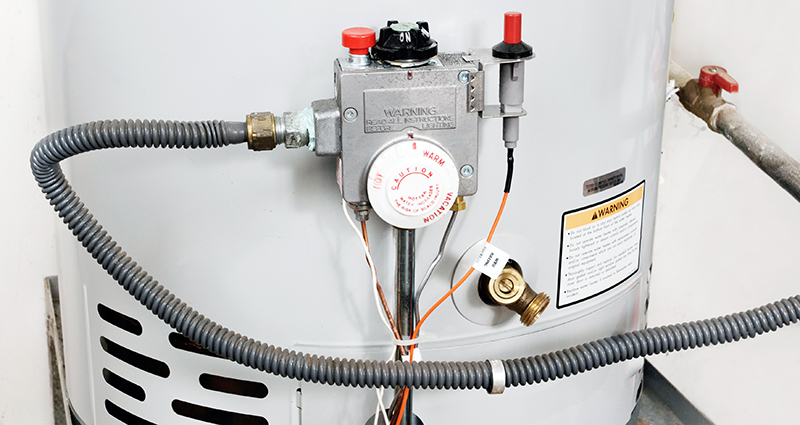
As another often-used appliance, your water heater can account for as much as 18% of your home's energy usage. An average water heater typically runs about 3 hours a day, and the average household spends up to $600/year alone on water heating. Use these tips to take the heat off your energy bill:

  • Set your water heater's temperature to 120°F or lower
  • Wash your clothes in cold water
  • Insulate the hot water pipes
  • Turn down your water heater when you go on vacation
  • Install low-flow shower heads and faucets
  • Upgrade to a solar water heater

How much energy does lighting use?

Lighting accounts for about 4% of a typical home's energy use. How much energy light bulbs use can vary widely based on bulb type and usage. Reduce the electricity usage of your lights with these tips:

  • Turn off lights when you leave a room
  • Use energy-efficient LED light bulbs
  • Use natural light, especially in winter, when you also get the benefit of heat
  • Choose LED holiday lights and put them on timers so they don't stay on all night
  • Install motion detectors on outdoor security lights so they only turn on when you need them

What other appliances and electronics use a lot of electricity?

Appliances and electronics account for about 23% of the typical electric bill. Below are some tips on how to save on your major appliances' energy use:

Refrigerator

  • Don't overload your refrigerator
  • Keep most-used products in accessible areas
  • Arrange contents for optimal efficiency
  • Set your fridge to the manufacturer's recommended temperature
  • Regularly clean behind and underneath the refrigerator to maintain airflow
  • Replace older refrigerators with modern, energy-efficient models


Read more tips:
 How much electricity does my refrigerator use?

Washer and dryer

  • Wash full loads
  • Wash with cold water
  • Avoid overfilling the machines
  • Use drying racks when possible
  • Clear lint after each load

Electric oven and stove

  • Opt to use a toaster oven, microwave, slow cooker or other smaller appliance
  • Use the oven and stove during cooler hours of the day
  • Don't preheat unless it's necessary for the dish to cook properly
  • Turn off the burners a few minutes before the dish is done and let the residual heat do the rest

Dishwasher

  • Wash full loads
  • Turn off the heated dry
  • Wash during cooler hours of the day
  • Pre-rinse heavily soiled dishes to prevent the need for a second cycle

Electronics

  • Deactivate standby mode and quick-start settings
  • Shop for ENERGY STAR-certified electronics
  • Turn down screen brightness on televisions and monitors
  • Always turn off electronics when they're not in use
  • Choose more energy-free entertainment activities like reading and board games

Harnessing smart home technology for energy savings

Modern technology offers powerful tools to monitor and control your home's energy consumption. Smart home devices can automate energy-saving practices, provide insights into your usage patterns and give you remote control over your appliances.

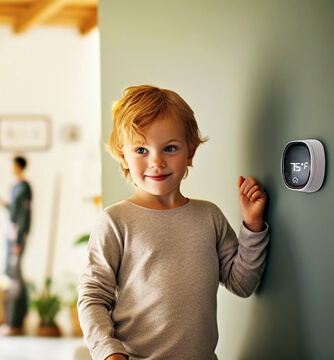
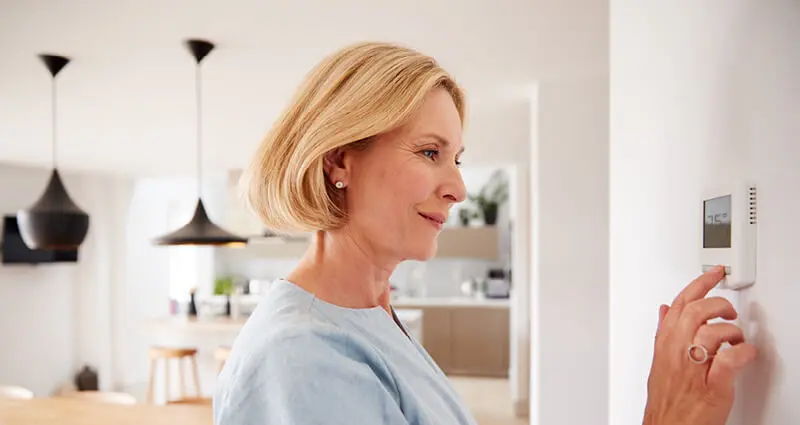
  • Smart thermostats: Smart thermostats can automatically adjust heating and cooling based on your routines and connect to demand response programs like Direct Energy Reduce Your Use®, helping lower energy consumption. You can also control them remotely to condition your home only when needed, maximizing comfort and efficiency.
  • Smart plugs: These allow you to turn ordinary appliances into smart devices. Plug in lamps, coffee makers or entertainment systems, and then schedule them to turn off when not in use or control them from your smartphone, eliminating phantom load (vampire power).
  • Smart lighting: LED smart bulbs can be scheduled, dimmed or turned off remotely, drastically reducing lighting costs. Some even integrate with motion sensors, ensuring lights are only on when a room is occupied.

Integrating these devices can lead to long-term savings and a more convenient, energy-efficient lifestyle.


Looking for more ways to reduce energy use? Check out these 25 energy-efficient tips to help you lower your monthly electricity costs.

Frequently asked questions

Show all answers

Beyond using a smart thermostat, regularly changing air filters, scheduling annual professional maintenance and sealing air leaks around windows and doors can help to reduce HVAC usage. Ensuring adequate home insulation and considering strategic landscaping can also help reduce heating and cooling costs.

Set your thermostat to a consistent, comfortable temperature and utilize programmable features to adjust it automatically when you're away or asleep. Even a small adjustment of 7-10 degrees for 8 hours daily can lead to substantial savings.

Water heating typically accounts for 14-18% of a household's energy use, with exact costs varying by system type, household size, and usage habits. Lowering your water heater's thermostat to 120°F, insulating tanks and taking shorter showers can significantly cut these expenses.

Switching to LED bulbs can save you significantly, as they use 75-80% less energy than incandescent lights and last much longer.

Maximize natural daylight, turn off lights when leaving a room and use task lighting instead of illuminating an entire space. Consider motion sensors for utility areas and dimmers where full brightness isn't always needed.

Place your refrigerator away from heat sources, ensure proper air circulation around it and regularly check door seals. Maintain optimal temperatures (35-38°F for the fridge, 0°F for the freezer) and avoid overfilling or leaving it too empty.

Always run your dishwasher with a full load and opt for the "air dry" or "no heat dry" setting to avoid using the electric heating element. Many models also offer an "eco" or "energy-saver" cycle that uses less water and lower temperatures.

Regularly review your monthly utility bills and monitor changes in kWh usage over time. For Direct Energy customers, you can access the Direct Your Energy dashboard, which analyzes and helps you understand your energy usage with easy-to-navigate tools. Each tool has a unique function that will help you manage your usage to potentially save you money.


Explore the learning center

Explore our other categories by selecting one from the dropdown menu. 

A smarter, safer home

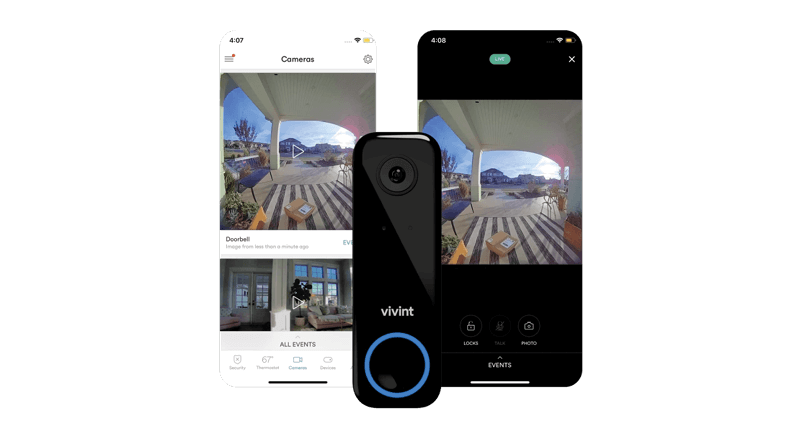
Home security, automation and efficiency at your fingertips. Protect your peace of mind with an exclusive offer from our partner Vivint

Signing up for Direct Energy is easy!

We offer a wide range of plans and even help you customize them to fit your needs! Shop our plans to find your best fit today.  

Need help placing an order?
Texas customers: Call us at 1-855-461-1926
Northeast and Midwest customers: Contact us


Questions about your current service?
Texas customers: Call us at 1-888-305-3828
Northeast and Midwest customers: Contact us