




The best thermostat settings for every season

Direct Energy, December 5, 2025

4 minute read

The best thermostat settings for every season

Direct Energy, December 5, 2025

4 minute read

Seasonal weather changes affect everything from heating and cooling to lighting and appliance use. By creating a seasonal energy schedule, you can align your habits with the weather, reduce energy use and keep your home comfortable without increasing your utility bills. 

Here, we’ll discuss ideal temperature settings for every season so you can create a schedule that works for you. We’ll also explore other ways to maximize your home’s efficiency with a few easy adjustments.

Understanding the basics of ideal thermostat settings

Your thermostat is the command center for your home’s comfort. It uses sensors to tell your heating and cooling system when to turn on, but finding the right setting is different for every home. To save energy year-round, adjusting your thermostat to avoid overuse during peak hours is key. 

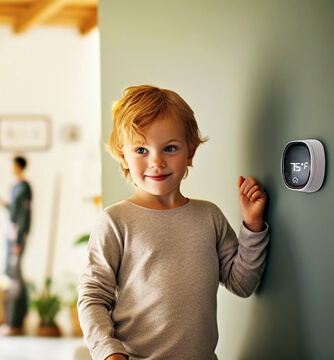
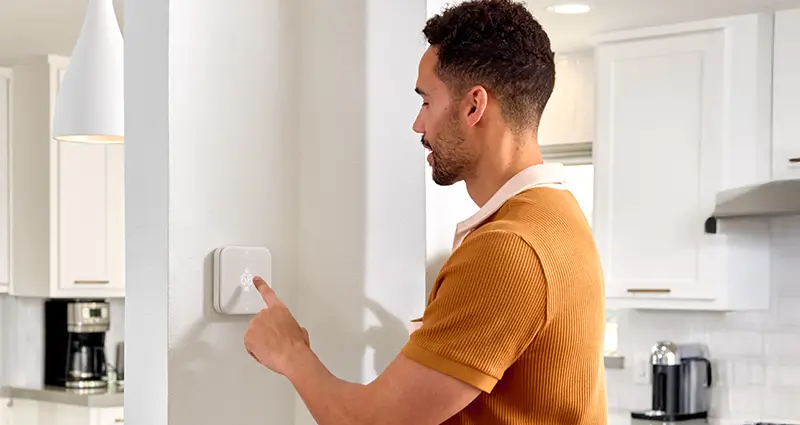
One of the easiest ways to do this is with a smart thermostat. Smart thermostats allow you to set a schedule so your system runs only when needed, without the need for constant manual adjustments. They can even save you up to 10% on heating and cooling costs every year.

If you don’t have a smart thermostat, that’s no problem. Manual adjustments can still make a big difference when you know which settings are the best for each season. 

Best thermostat settings for winter

When temperatures drop, comfort and safety come first. Aim to set your thermostat at 68°F during the day when you’re home. If that’s too cold, you can bump it up to 70°F, but try to avoid going much higher: every degree adds to your energy use. 

When you’re away, you can lower the thermostat by 7° – 10°, but never below 55°F if outdoor temperatures are freezing. This will help to prevent frozen pipes. At night, you can also try lowering your thermostat a few degrees; most people can sleep comfortably at lower temperatures, especially with warm bedding. 

If you want to feel warmer without raising the heat, check your home’s insulation and seal any gaps around doors and windows that you find. A well-sealed home stays cozy even at lower temperature settings. 

Recommended thermostat settings for spring

Spring can be unpredictable, with cool mornings, warm afternoons and everything in between. It’s normal to switch between the heat and the air conditioner during these transitional months, but doing it too often could put excess wear and tear on your HVAC system. 

Many HVAC professionals recommend waiting until daytime temperatures are consistently around 70°F before switching your system to cooling mode. If evenings feel chilly, try wearing layers or adding an extra blanket instead of turning the heat back on. 

For your thermostat schedule, aim for 68°F to 72°F when you’re home and awake, then adjust by 5° – 8° (up when cooling, down when heating) while you’re asleep or away. These small changes can help you stay comfortable without wasting energy. 

Best thermostat settings for summer

Summer heat can make it tough to keep your home comfortable without cranking up the AC. For energy efficiency, we recommend keeping your thermostat set to 78°F during the day when you’re home. If that feels too warm, aim for around 75°F to balance comfort and savings. 

At night, try using ceiling fans to help circulate air and keep the thermostat slightly higher than your daytime setting. When you’re away, you can raise the temperature to 82°F – 85°F. Try to avoid dropping the thermostat too low when you return home. This won’t cool your house down any faster, and sudden changes can waste energy by causing your HVAC to work harder.

Recommended thermostat settings for fall

Fall often feels like a breath of fresh air after summer heat, but it’s another transition season with the potential for big temperature swings. A good starting point for your thermostat is 68°F when you’re home and awake, similar to our recommended setting for spring. 

If you feel cold in the evening, try adding layers or extra blankets before raising the thermostat. When you’re away, you can drop the temperature a few degrees, but we recommend avoiding drastic changes. If you have a heat pump, try to keep adjustments small to maintain efficiency. Large swings can make it work harder, not smarter.

Other ways to save energy year-round

Using a thermostat schedule is a great start, but there are plenty of other ways to reduce your energy usage and lower costs: 

Upgrade to a smart thermostat

Smart thermostats go beyond simple programming. They learn your habits, adjust automatically and allow you to control settings from your phone. Many even suggest changes to help you save during peak hours. 

Connect to smart home technology

Pair your thermostat with smart home devices for voice control. You can also add smart plugs and power strips and automated blinds to manage lighting and appliances from one app. 

Keep up with HVAC maintenance

By replacing air filters every 1-3 months, clearing debris from your outdoor unit and scheduling annual tune-ups, you can help prevent costly repairs. A well-maintained system runs efficiently and lasts longer. 

Make small lifestyle tweaks

You may find that reevaluating your lifestyle and preferences can help you save energy without making any major changes.

  • Dress in layers instead of adjusting the thermostat. 
     
  • Take shorter, cooler showers to save on water heating costs. 

  • Wash clothes in cold water and air-dry when possible. 

  • Unplug chargers and turn off devices when not in use. 

Signing up for Direct Energy is easy!

We offer a wide range of plans and even help you customize them to fit your needs! Shop our plans to find your best fit today.  

Creating your seasonal energy schedule

Ready to take control of your energy use? Here’s how to get started: 

  1. Review past bills – Look for patterns in your energy usage and note your retail electricity provider’s rate per kilowatt-hour (kWh). This can help you estimate potential savings.

  2. Explore your options – Compare electricity plans from your provider and look for perks like bill credits or usage monitoring tools. 

  3. Upgrade your thermostat – Switch to a smart thermostat if possible. Check for rebates or other incentives from the manufacturer or your utility company.

  4. Set your ideal temperatures – Use seasonal guidelines to create a schedule. If you have a smart thermostat, it can learn your habits and suggest adjustments. 

  5. Fine-tune as you go – Comfort and savings may not always align at first. Keep trying to make small changes until you find the right balance for your home. 

  6. Track your progress – Monitor your bills or use an energy tracking tool to see how your schedule is working, and adjust as needed. 
     

Maximize your energy savings year-round

Seasonal thermostat adjustments can help you stay comfortable and cut energy costs, but they’re just the beginning. If you pair smart scheduling with other energy-saving habits, you’ll see the difference in your monthly electricity bill. 

When it comes to seasonal energy changes, Direct Energy offers plans and tools to help you track your usage and save even more. Explore plan options in your area and find the right fit for you.


Explore the learning center

Explore our other categories by selecting one from the dropdown menu. 

1982472_DE Category Page Large Promos_FinalImagesforDev

Download the app

Get the Direct Energy app to easily manage your account, keep an eye on your usage, refer friends and more.

Need help placing an order?
Texas customers: Call us at 1-855-461-1926
Northeast and Midwest customers: Contact us


Questions about your current service?
Texas customers: Call us at 1-888-305-3828
Northeast and Midwest customers: Contact us