Spring energy-saving tips for your home

Direct Energy, March 25, 2026

7 minute read

Spring energy-saving tips for your home

Direct Energy, March 25, 2026

7 minute read

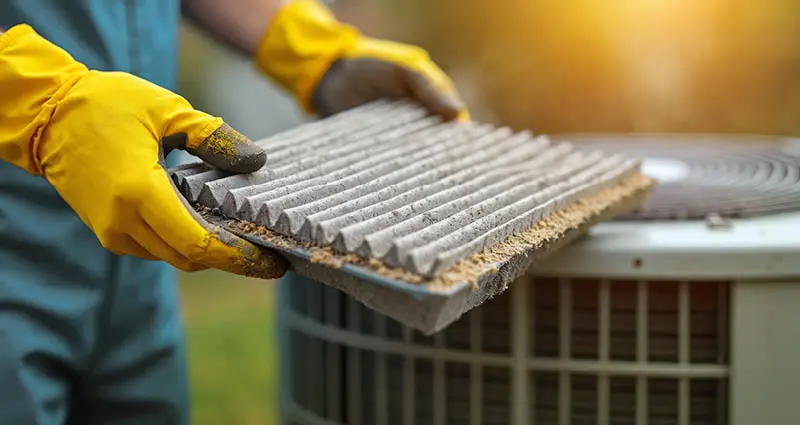
Woman replacing filter on air conditioner

The most effective spring energy-saving tips focus on whole‑home efficiency, combining seasonal maintenance, smarter habits and region‑specific strategies to prepare for warmer weather. From improving airflow and sealing drafts to upgrading lighting and tuning key systems, these spring energy-saving tips highlight practical steps that can help your home stay comfortable as temperatures rise. Making a few improvements now can support better energy efficiency throughout spring and set your energy-efficient home up for the cooling months ahead.

Prepare your home for efficient spring cooling

The best spring energy‑saving tips for Texas, Northeast and Midwest parts of the U.S. often start with first warm day AC prep, which includes getting a spring AC tune‑up and making simple adjustments like setting ceiling fans for optimal cooling throughout the day.

Replace or clean HVAC filters

If you’re experiencing any HVAC airflow issues, the problem may be as simple as swapping your current air filters for fresh ones. A dirty air filter can not only compromise system airflow, but it can also affect your health, particularly in homes with pets, dust, or other indoor allergens. Because older air filters can breed harmful mold and bacteria, reducing indoor air quality, those with allergy or asthma flare-ups may be the first to notice the need for a filter change.

Quick tip

Replacing dirty air filters with a properly MERV-rated (minimum efficiency reporting value) filter can help improve airflow and cooling efficiency. MERV 8 works well for most homes, while MERV 11 may be a better fit for homes with pets or mild allergies. Most filters should be replaced about every 30 days, depending on system use.  

Set ceiling fans for warmer months

When using a ceiling fan, make sure it is running counter-clockwise during warmer months to push cool air downward. However, it’s important to remember to turn off your fan when you leave the room. A ceiling fan should cool people, but not the room itself, so leaving a fan on when you're not in the room only wastes electricity. Additionally, consider installing a timer switch on your bathroom fan so that it runs only when necessary.

Check your AC for early-season efficiency

Another way to save energy in spring is by choosing the right air conditioner. Before buying an air conditioning unit or system, find out its energy efficiency ratio (EER). Calculate the EER by dividing the unit's cooling capacity (BTUs/hour) by its energy requirement (watts). An EER of 10 or more is very good, and 6 or 7 is fair. Remember to buy the smallest capacity unit or system that will meet your needs.

Replacing filter on air conditioner

Spring AC tune‑up checklist before the first warm day

Use this quick checklist to help your cooling system run efficiently before warmer temperatures arrive.

  • Clear leaves, weeds and debris around the outdoor unit to support proper airflow
  • Confirm supply vents are open and unobstructed by rugs, furniture or drapes
  • If airflow feels weak in certain rooms, check for closed dampers and consider a duct inspection for leaks or buildup
  • Listen for unusual noises and watch for short cycling when the system turns on
  • Replace or clean the air filter and make sure the return vent isn’t blocked
  • Test the thermostat in cooling mode and check that the temperature reading is accurate
     

Common first warm day AC issues to watch for:

  • High indoor humidity
  • Musty odors
  • Tripped breakers
  • Uneven cooling
  • Warm air from vents
     

If any of these issues come up, scheduling a spring AC tune-up can help restore efficiency and prevent bigger problems later.

Regional HVAC tips for Texas, Northeast and Midwest

Spring brings different HVAC challenges depending on where you live. In Texas, warmer temperatures often arrive early, making it important to prepare your AC system and support airflow with proper attic ventilation. In the Northeast, spring is a key time to check for drafts and seal windows and doors before cooling season begins. Across the Midwest, frequent temperature swings and strong winds can increase wear on HVAC systems, making routine maintenance and air‑sealing especially helpful for staying comfortable and energy‑efficient.

Signing up for Direct Energy is easy!

We offer a wide range of plans and even help you customize them to fit your needs! Shop our plans to find your best fit today.  

Shop plans
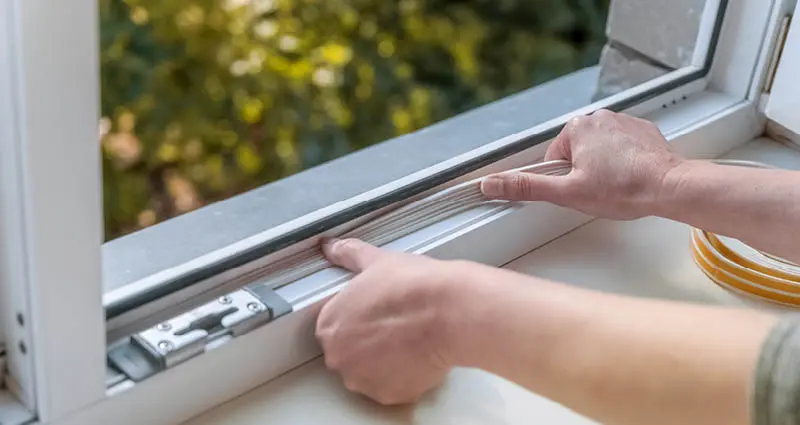
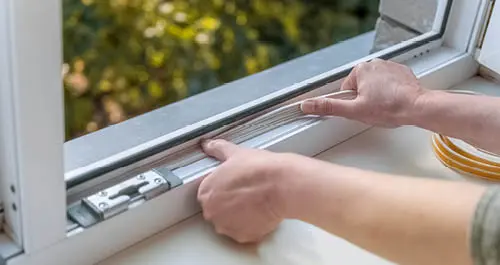
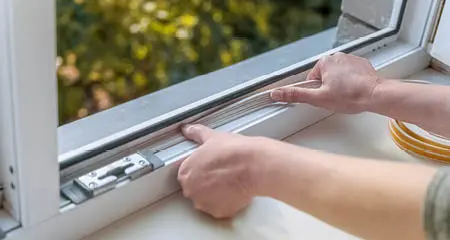
Adding weather stripping to window

Spring weatherization tips for windows and doors

Simple improvements to windows, doors and weatherization can help reduce heat gain and keep your home more comfortable this spring.

Upgrade to double pane or ENERGY STAR® windows

If you have older single-paned windows, your home may not be well-insulated against the increasing heat in spring. Upgrading to double‑paned windows with an Energy Star label is a more involved but effective option for improving insulation and energy efficiency in your home. 

Consider window inserts for added insulation

Window inserts are a removable option that fits inside existing window frames to help reduce drafts and heat transfer. They can be especially helpful in older homes or regions where spring temperatures fluctuate, offering an added insulation layer without replacing the window itself.

Seal drafts with caulk or weather stripping

If replacing windows is not an option for you, you can add caulking or weather stripping to seal air leaks in spring. Determine whether your windows or doors have any leaks by inspecting them carefully to feel any air coming through. Once leaks are located, apply caulk to fill in the gaps.

Use thermal curtains to block heat

Invest in some insulated, thermal-backed drapes for your windows. These drapes are designed with a special lining that helps to block out sunlight and reduce heat transfer. Keeping them closed during the hottest part of the day will help block out the sun and keep your room cooler.

Replace worn door sweeps to block air leaks

As your home’s exterior doors wear down over time, replacing damaged or loose door sweeps is a simple upgrade that can help reduce spring drafts and support more consistent indoor temperatures.

Clean sliding door tracks for a proper seal

Does your home have a sliding glass door? Make sure to keep the door track clean. A dirty track can interfere with the door seal, allowing outside air to enter and conditioned air to escape. Regular cleaning can help maintain an airtight seal, ensuring your home remains energy-efficient in spring.

Spring specific weatherization by region

The best spring weatherization tips can vary by location.

  • Texas: Early heat makes sealing attic gaps and improving ventilation especially helpful.
  • Northeast: This region benefits from sealing spring drafts around windows and doors before cooling season begins.
  • Midwest: Rapid temperature swings and strong winds make air sealing and insulation checks an important part of spring prep.
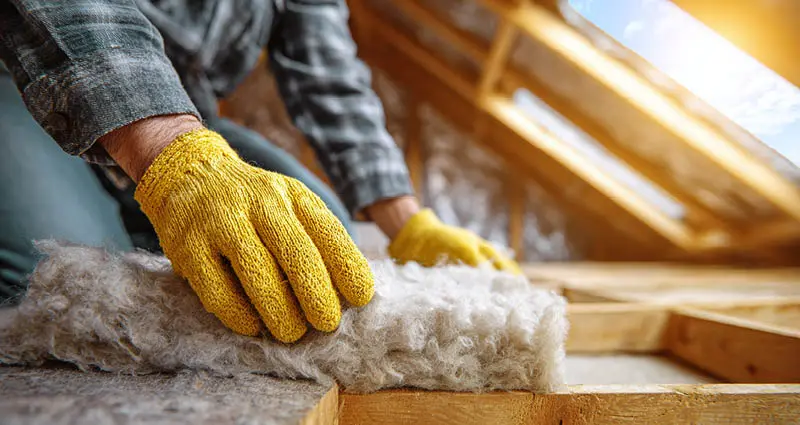
Placing insulation on attic floor

Strengthen attic efficiency before summer heat arrives

Spring energy tips for the attic include installing attic vents and fans, adding insulation and sealing air leaks.

Add or clear attic ventilation

An attic ventilation system helps release trapped heat before it seeps into your home below. Installing attic vents or fans, or maintaining existing ones, can support better airflow.

Seal gaps before adding insulation

Seal your attic before adding insulation to prevent air leaks. You can do this by caulking, sealing and weather stripping all seams, cracks, and openings to the outside.

Improve attic insulation

Insulation isn’t just for the winter. Adding attic insulation for warmer months helps you save energy by reducing heat transfer and keeping cool air inside your home longer.

Regional attic recommendations

Spring home heat loss fixes vary by region. While you may want to focus on sealing attic gaps and improving ventilation in Texas to manage early heat, homes in the Northeast often benefit from added insulation to reduce lingering drafts. And if you live in the Midwest, addressing insulation gaps can help manage temperature swings and wind‑driven air leaks.

Woman replacing led light bulbs in chandelier

Upgrade lighting and reduce standby power

An easy and effective way to improve your home’s energy efficiency is to upgrade your lighting to high efficiency LED bulbs, unplug unused devices or automate electronics with smart power strips.

Install high efficiency LED bulbs

LED technology continues to improve in terms of efficiency, lighting quality and versatility. When you use the correct bulb for the given situation, whether that's overhead lighting, mood lighting or dimmers, the enhanced efficiency can lead to lower usage.

Unplug or automate electronics with smart power strips

Another crucial step is to unplug or completely shut off electronics when you're not using them. Contrary to what you might expect, even in standby mode, those items still consume electricity unless they are completely shut off.

Use smart home tools to manage spring energy use

Smart home energy features can help you remain aware of how and when your home uses electricity. Smart thermostats can automatically adjust temperatures based on schedules or occupancy to help reduce unnecessary cooling during mild spring days. Energy usage monitoring tools like the Direct Energy mobile app can also highlight patterns in your daily electricity use, making it easier to spot opportunities to shift habits and improve efficiency without constant manual adjustments.

Woman loading dishwasher in kitchen

Spring energy-saving kitchen maintenance

This section shares simple spring kitchen maintenance tips, from caring for appliances to smarter cooking and dishwashing habits, that can help your kitchen use energy more efficiently.

Clean refrigerator coils and check seals

Start by cleaning your refrigerator’s condenser coils, which can collect dust and pet hair and cause the motor to work harder and use more electricity. As part of your spring-cleaning routine, make sure the coils are clear so air can circulate freely. It’s also a good time to check the seals around your refrigerator door. Clean, tight seals help keep cold air in and warm air out, while worn or dirty seals can make your fridge run longer and use more energy than necessary.

Cook efficiently to keep your home cooler

In the kitchen, consider using a pressure cooker or a microwave oven instead of the stove to use less energy and avoid heating up the rest of your home. If you do use the stove or oven, try to cook several items at once and avoid opening the oven door unnecessarily to keep the heat in.

Some final spring energy savings tips for the kitchen include allowing foods to partially cool before putting them in the refrigerator, as it takes more energy to cool hot food, and looking for the ENERGY STAR label when shopping for new kitchen appliances and electronics. These products are more efficient and can help reduce your overall energy costs.

Run full dishwasher loads and air-dry dishes

When using your dishwasher, run only full loads and avoid overloading. You can also save energy by turning off the heated‑dry setting or opening the door after the final rinse, allowing your dishes to air-dry.

Man clearing seal on garage door

Prevent energy loss in garages, basements and crawl spaces

Improving your home’s energy efficiency in spring can start in overlooked spaces like garages, basements and crawl spaces, where sealing gaps, choosing the right appliances and identifying drafts can help reduce air loss.

Replace or add garage door weather stripping

One of the easiest ways to help prevent energy loss is by adding weather stripping to the bottom of your garage door and the door leading into your home. Proper sealing helps keep outdoor air out and conditioned air in, and it can also reduce noise when the door closes. If you feel a breeze around the sides of the garage door, that’s a sign weather‑stripping tape may be needed to seal open gaps.

Choose a garage-friendly refrigerator

A refrigerator or freezer in the garage can be a major energy draw, especially in hot weather, since standard models may have to work harder to stay cool. Choosing a garage‑ready model designed to handle extreme temperatures can help support more efficient operation.

Identify drafts by checking spider web patterns

If you have an unfinished basement or crawlspace, check for air leaks by looking for spider webs. If there's a web, there's a draft. One solution is to insulate your basement. A large amount of heat can also be lost from an uninsulated basement.

5 quick facts about energy use in the U.S.

  1. The average U.S. household has 20 to 40 devices constantly drawing power.
  2. Standby energy use can account for 5% to 10% of your total energy use.
  3. Since A/C units typically run at one speed, setting your A/C to an extreme low won't cool your home faster.
  4. Planting trees that lose their leaves in winter on the south and west sides of your home can save you up to 25% on cooling costs.
  5. Running ceiling fans counterclockwise can help make a room feel about 4ºF cooler.


Recap of regional spring energy tips

These regional spring energy tips focus on common seasonal challenges across the U.S., including early cooling needs in Texas, draft control in the Northeast and weather‑driven efficiency issues in the Midwest.

Texas

In Texas, spring often brings earlier heat, making it important to prepare your home for extended AC use. A few simple steps to help you prepare your home for the springtime:

  • Adjust attic ventilation to help release trapped heat before cooling season ramps up
  • Check attic insulation and air sealing to help limit hot air from entering living spaces
  • Schedule AC maintenance early to help ensure your system is ready for warmer temperatures
     

Northeast

Spring in the Northeast is a transition season when lingering cold air and drafts can still affect comfort. These steps can help reduce drafts and improve comfort:

  • Inspect window and door seals for gaps that may have developed over winter
  • Seal spring drafts to help reduce unwanted airflow as temperatures fluctuate
  • Upgrade insulation where needed before switching fully from heating to cooling
     

Midwest

In the Midwest, spring weather can change quickly, bringing strong winds and wide temperature swings. To better ensure that your home is ready for spring, you can:

  • Address air leaks caused by wind pressure around doors, windows and foundations
  • Check insulation in attics and crawl spaces to help manage rapid temperature changes
  • Seal gaps in basements and rim joists where wind‑driven air commonly enters

Frequently asked questions

Show all answers

Replace HVAC filters, seal air leaks, optimize ventilation, switch to LEDs, and complete spring appliance maintenance.

Use fans efficiently, block heat with thermal curtains, unplug unused devices, and ensure your AC is tuned before warm weather.

Yes, cleaning filters, checking ducts, clearing vents, and testing the system early helps it run efficiently all season.

Weather stripping, sealing window gaps, attic insulation checks, and reinforcing draft‑prone areas.

Yes, Texas homes face early heat, while the Northeast sees spring drafts, and the Midwest deals with rapid temperature swings.

View more +

Explore the learning center

Explore our other categories by selecting one from the dropdown menu. 

1982472_DE Category Page Large Promos_FinalImagesforDev

Download the app

Get the Direct Energy app to easily manage your account, keep an eye on your usage, refer friends and more.

Signing up for Direct Energy is easy!

We offer a wide range of plans and even help you customize them to fit your needs! Shop our plans to find your best fit today.  

Shop plans

Need help placing an order?
Texas customers: Call us at 1-855-461-1926
Northeast and Midwest customers: Contact us


Questions about your current service?
Texas customers: Call us at 1-888-305-3828
Northeast and Midwest customers: Contact us