

How virtual power plants are revolutionizing home energy

Direct Energy, December 1, 2025

4 minute read

How virtual power plants are revolutionizing home energy

Direct Energy, December 1, 2025

4 minute read

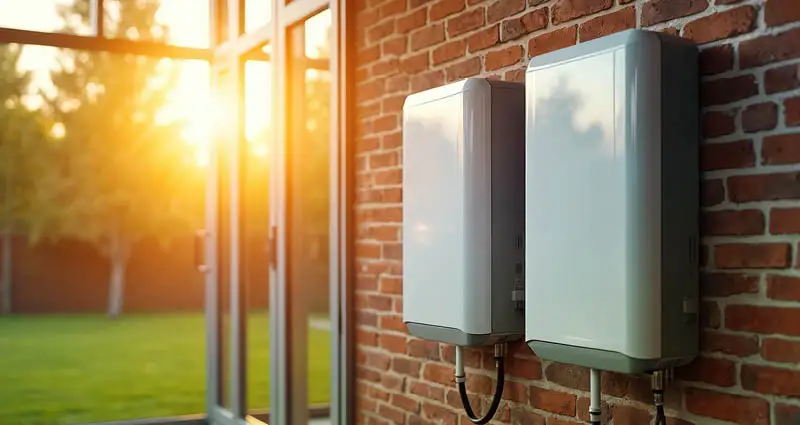
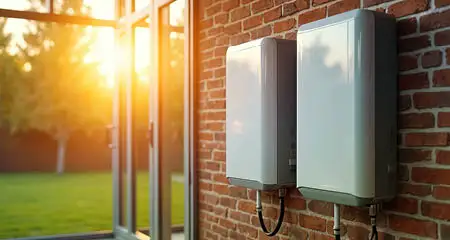
Home battery packs on modern home wall

Just like your favorite band or the sports team you root for, a power plant can be greater than the sum of its parts. Each individual plays their own role, but the magic happens when they all work together to do something greater than they could manage alone. 

In this analogy, we’re referring to virtual power plants (VPPs) and the ways that many hands can work together to strengthen the energy grid. Here, we’ll explore exactly what a VPP is, how it works to aggregate energy from businesses and homes and how you can join a VPP to support clean energy while saving money.

Signing up for Direct Energy is easy!

We offer a wide range of plans and even help you customize them to fit your needs! Shop our plans to find your best fit today.  

What are virtual power plants?

To understand what a VPP is, let’s return to the analogy. Your favorite band might be comprised of a guitar player, a drummer, a singer and a keyboardist. Each of these members plays a different but critical role in creating a cohesive melody. In a VPP, the “members” are distributed energy resources (DERs) that are connected by a cloud-based central control network that links them into a single energy system. 

Unlike a traditional power plant, where energy is generated mostly from nonrenewable sources and then distributed across the grid, VPPs primarily use energy storage and renewable energy sources in various locations to meet peak demand and enhance the efficiency of the power grid. In many states, VPPs have been opened up to residential participants, meaning homeowners can help support demand response for the electricity grid while also promoting alternative energy sources and being rewarded for their efforts. 

Common components of residential VPPs include:

  • Home batteries
  • Rooftop solar panels
  • Electric vehicle (EV) charging stations
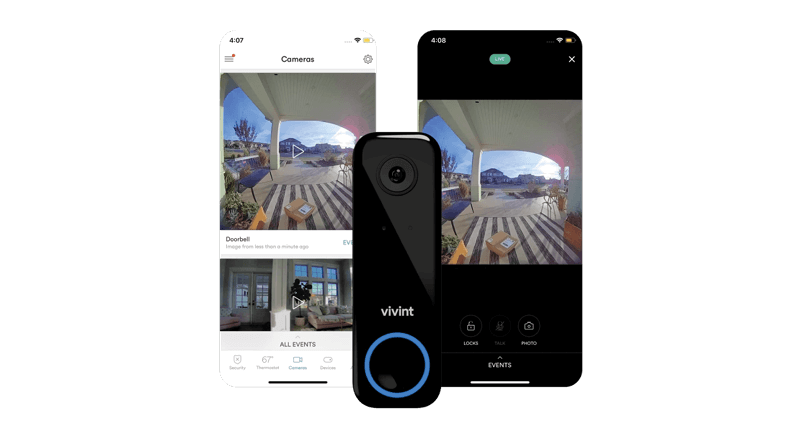
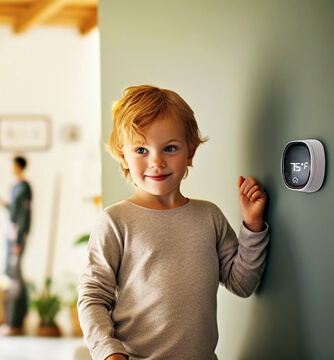
  • Smart thermostats
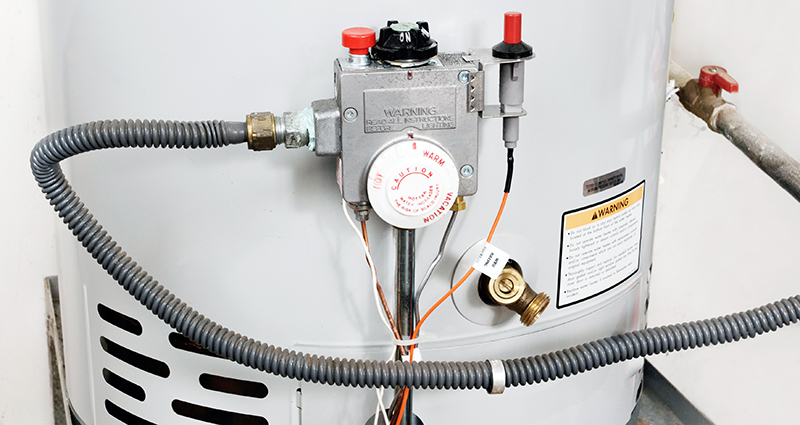
  • Smart water heaters
Power lines
Power lines
Power lines

Source: Inside Climate News

In the next 5 years, residential energy customers could be contributing a majority of the power being distributed by VPPs. But how does it all work?

How VPPs work with home batteries

Home batteries are very common in Texas and are used to store extra electricity, usually from solar panels, in a battery storage system that can be used as backup during power outages

The technology behind VPPs

VPPs use a cloud-based software system to coordinate the home batteries of program participants. Homeowners store their excess energy in a home battery, and that stored energy is managed and released back to the grid by the VPP when energy demand is highest. VPPs can calculate how much stored energy is available and optimize energy flow in real time during peak electricity demand. This is how VPPs can help stabilize the power grid while leaving some energy reserves for participating homeowners. 

Real-time energy management

One of the benefits to homeowners who participate in a VPP is the hands-off nature of most programs. The VPP is connected to the homeowner’s battery storage system and knows exactly how much energy is available at any time. It can then utilize AI algorithms to predict times of high demand and prepare to support the grid during these windows. The homeowner doesn’t need to take any action and can still use their own power uninterrupted. If the participant doesn’t want to contribute their stored energy to the grid, they usually can opt out either temporarily or permanently.

Benefits of VPPs for Texas homeowners

There are two main reasons why homeowners in the Lone Star State would want to participate in a VPP.

Financial incentives

Many VPPs compensate their participants for supplying extra electricity during periods of high energy use. Participants may also receive other financial benefits, like energy bill credits or lower electricity rates, helping them to save money on their monthly bills. 

Grid reliability

Participating in a VPP takes home battery and solar panel ownership a step further, allowing participants to contribute to the overall improvement of the energy grid, resulting in fewer power outages. It also promotes the use of renewable energy sources, lessening the need for fossil fuels to generate electricity.

Power lines
Power lines
Power lines

VPPs and power outage prevention

How exactly do VPPs help prevent power outages? VPPs work to balance the grid in a way that most traditional power plants cannot. Because the DERs in the VPP program are scattered across many participants, the VPP can quickly access stored energy from a vast network, allowing it to take swift action when the grid is under extreme stress.

VPPs are able to respond to increasing demand and grid imbalances faster than traditional plants and can reduce the strain on those plants to preserve grid stability. This is particularly important in Texas, where weather events like summer heat waves can increase peak load and raise the risk of outages. 

VPP management tools

Most VPPs have a software platform they use to manage participants and aggregate DERs. These platforms can often be accessed by participants, where they can adjust settings, track incentives, calculate rates and opt out if needed. Most VPP-eligible products can integrate with these platforms, but if you’re interested in participating, it’s best to verify before purchasing equipment like smart thermostats, water heaters or EVs. 

The future of VPPs in the U.S.

VPPs are expected to be widely adopted across the country in the coming years, with the market tripling in size by 2030.

Power lines
Power lines
Power lines

Source: Grand View Research

This rapid growth is largely driven by increased access to DERs. Focus on renewable energy is expected to grow in the near future, meaning more homeowners will have solar panels, home batteries, EVs and other devices that will allow them to participate in a VPP. Growth is likely to be highest in deregulated energy markets like Texas, which is a top candidate for future VPP participation because of its weather.

Getting started with virtual power plants

If you think participating in a VPP sounds like a great way to save money while supporting the electric grid, there are a few steps you can take to get started.

Research eligibility requirements

First, make sure you’re eligible to participate in a VPP program. Not all home batteries, EV chargers or solar panels are compatible with VPPs, so it’s important to verify before you make a major purchase. If you’re looking to buy an EV, keep in mind that only those with bidirectional charging — the ability to send power back to the grid — are compatible with VPPs.

Choose the right program

Once you know what type of DER you’d like to purchase and use as part of a VPP, you’ll then have to decide which program you want to participate in. There are 2 options: you can join a VPP through your DER manufacturer or through your electricity provider. 

Here are some things to consider before you join a VPP: 

  • How it may impact your home battery’s lifespan
  • Whether you will have enough stored energy for both personal use and to support the grid
  • If there are exit fees, should you choose to leave the program early
  • The total cost of DERs, including installation and any necessary maintenance or upkeep
  • How and when you’ll receive financial compensation or other incentives for participation
Happy woman at laptop

Looking for a home electricity plan that fits your needs?

Shop for a Direct Energy plan today.

Join the VPP revolution

VPPs are already reshaping the face of the energy industry, and they allow you to play a major role in its future. Texas residents now have an unprecedented opportunity to become active participants in creating a more resilient and sustainable energy landscape. 

From diversifying Texas’s grid to building your own smart home, Direct Energy can help you be part of the energy revolution. Find the right Direct Energy plan for you to get started.


Explore the learning center

Explore our other categories by selecting one from the dropdown menu. 

Choose Direct Energy

Shop our plans and find the perfect electricity or natural gas plan for your home. Making the switch is easy:


  1. Enter your ZIP code to view available energy plans
  2. Compare plans to find one that matches your needs
  3. Complete the signup process in minutes

Signing up for Direct Energy is easy!

We offer a wide range of plans and even help you customize them to fit your needs! Shop our plans to find your best fit today.  

Need help placing an order?
Texas customers: Call us at 1-855-461-1926
Northeast and Midwest customers: Contact us


Questions about your current service?
Texas customers: Call us at 1-888-305-3828
Northeast and Midwest customers: Contact us