7 ways to combat uneven heating and cooling between floors
1. Address ductwork issues with targeted maintenance
If your ductwork is reasonably accessible, targeted maintenance can help address uneven heating without the need for major HVAC upgrades. Sealing leaks, improving sizing where possible and using quality materials can help reduce pressure issues and allow air to move more evenly throughout your home. Adding insulation around repaired ducts, helps conditioned air maintain a more consistent temperature as it circulates.
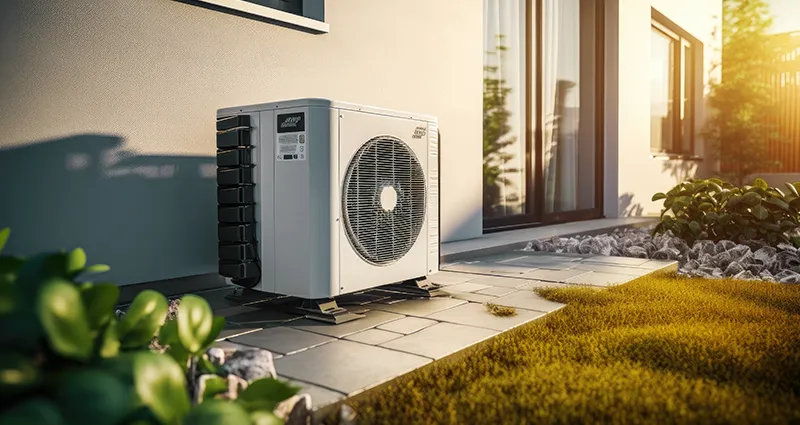
2. Consider a ductless HVAC system for room-by-room control
Ductless HVAC systems provide individual temperature control in each room or zone they serve. This setup can be especially helpful for addressing persistent hot or cold spots, since each area can be adjusted independently.
3. Enhance comfort with smart thermostat placement
Many HVAC systems rely on a thermostat located on just one floor to determine when heating or cooling turns on and off. If that single thermostat doesn’t accurately reflect the temperatures upstairs, your system may shut off before the entire area feels comfortable. Proper thermostat placement, avoiding nearby heat sources and using smart thermostats with remote sensors can help balance temperatures between floors.
4. Program smart thermostats for efficiency
In homes with accessible ductwork, zoning systems can often be added using dampers and multiple thermostats. This approach allows you to improve temperature control without replacing your entire HVAC system.
5. Use zone control systems to help balance temperatures
Zone control systems divide your home into separate temperature zones, allowing you to heat or cool specific areas more precisely. To get set up, it helps to know:
- The age and capacity of your current HVAC
- How many temperature zones you need
- Required modifications or upgrades (zone control panel, programmable thermostats, etc.)
A professional HVAC evaluation can let you know whether retrofitting zoning into your existing ductwork is an option. This way, you can improve temperature control without replacing your entire HVAC.
6. Use fans to help maintain cooler temperatures
Fans can help support more balanced temperatures by keeping air in constant motion throughout your home. Setting your fan to “On” allows treated air to circulate continuously, which can help reduce hot and cold spots between floors. When you’re in a room, ceiling fans can also improve comfort by keeping air moving, making temperatures feel more consistent no matter where you are in the house.
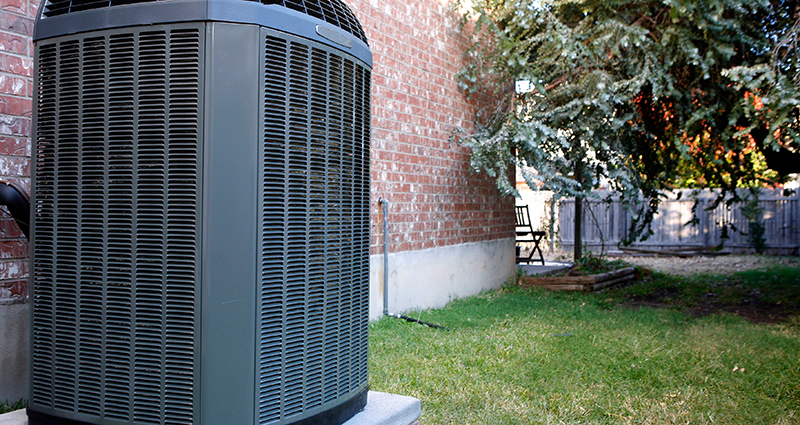
7. Consider air conditioning unit replacement
If your air conditioner is more than 15 years old and you want the benefits of an energy-efficient system, you might consider replacing it with a unit that has the ENERGY STAR label. When properly installed, having an upgraded, high-efficiency unit can help you save up to 50% on heating and cooling costs.