How to save on your electricity bill in winter:

25 practical tips

Direct Energy, September 16, 2026

5 minute read

To lower your electricity bill in winter, start with your heating system. Adjust your thermostat when you're asleep or away, keep HVAC filters and vents clear, seal drafts around windows and doors, and improve insulation where needed. You can save additional energy by using hot water efficiently, running full laundry loads and turning off unused electronics.

How to save on your electricity bill in winter:

25 practical tips

Direct Energy, September 16, 2026

5 minute read

To lower your electricity bill in winter, start with your heating system. Adjust your thermostat when you're asleep or away, keep HVAC filters and vents clear, seal drafts around windows and doors, and improve insulation where needed. You can save additional energy by using hot water efficiently, running full laundry loads and turning off unused electronics.

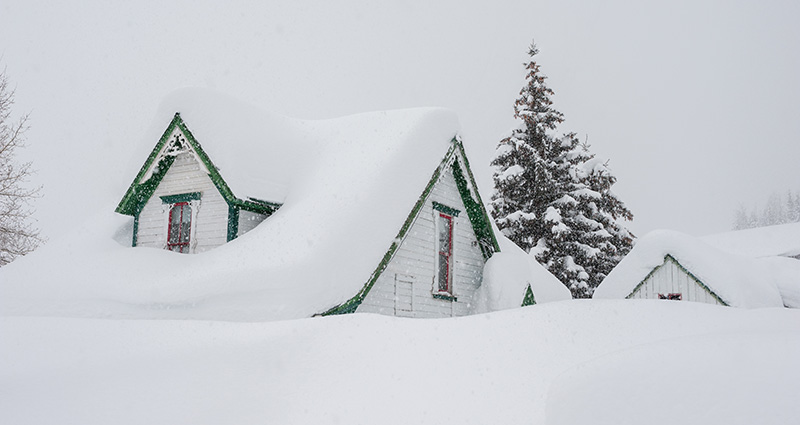
Toy house wrapped in comfy scarf

The cooler winter weather gives many of us a much-appreciated break from the summer heat, but this is not the case for your HVAC system. Cold weather means our heaters are running - sometimes constantly - to give us relief during the coldest winter days. You might have noticed that this has made your energy bills higher. Fortunately, there are several ways to lower your bill this winter. Find out why your bills could be higher this winter and how to save on your next electricity bill.

Toy house wrapped in comfy scarf

Why does my electricity bill increase in the winter?

Colder weather and changing household routines can affect how much energy you use. Let’s look at some of the most common reasons behind a winter bill increase:

  1. You’re home more. There’s nothing like cold weather to make us want to stay in our warm, comfortable homes. By spending more time at home, we’re using lights, heat, TV and other electronics to keep us warm and entertained. Winter break also means kids are home from school, which increases electricity use.
  2. Your home is losing heat. Drafty windows, gaps around doors and insufficient insulation can let warm air slip out of your home. When your home doesn’t hold on to heat, it can use more electricity to stay comfortable.
  3. You're using holiday lights and decorations. The holidays are often a time for festive lights and other energy-consuming decorations. The extra lighting, inflatable decorations and animated displays can take a toll on your electricity usage, especially if they run for several hours a day.

Why heating can increase your winter electricity bill

Heating can account for a significant share of household energy use during cold weather. As outdoor temperatures fall, heating equipment may need to run longer to maintain the indoor temperature, especially when a home has air leaks, insufficient insulation or inefficient equipment.

According to the U.S. Energy Information Administration, space heating and air conditioning accounted for 52% of the average household’s annual energy consumption in 2020.1

A higher winter electricity bill often comes down to how much energy your home needs to stay warm.

As outdoor temperatures drop, your heating system has to work longer and harder to maintain a comfortable indoor temperature. Your system may need even more energy if it is older, overdue for maintenance or trying to compensate for heat escaping through air leaks and insufficient insulation. 

What are the best ways to lower your electricity bill in winter?

The biggest opportunities are usually reducing unnecessary heating, preventing heated air from escaping and cutting avoidable electricity use. Start by adjusting your thermostat, maintaining your HVAC system, sealing drafts, checking insulation and using hot water and appliances efficiently.

19 winter electricity-saving tips for homeowners

Small changes to your thermostat, heating system and home’s efficiency can have a meaningful impact. You don’t have to make every change at once. Start with your heating system and the areas where your home may be losing heat, then work through smaller everyday habits that can help reduce your overall electricity use.

Get more efficiency from your heating system

1. Lower your thermostat. Turning down your thermostat while you're asleep or away from home can help reduce your heating costs. Try an experiment with your family and see how much you can comfortably lower your temperature. 

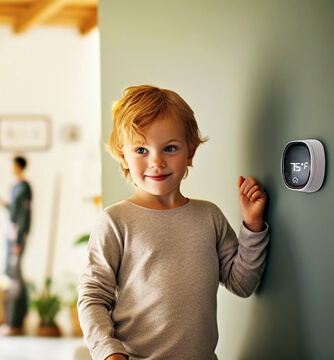
2. Upgrade your thermostat. A programmable thermostat will let you customize your heating schedule to save money, while a smart thermostat gives you even more energy-saving options and allows you to control your HVAC system from anywhere with your smartphone. Plus, upgrading to an ENERGY STAR smart thermostat can save approximately 8% on heating and cooling bills.2

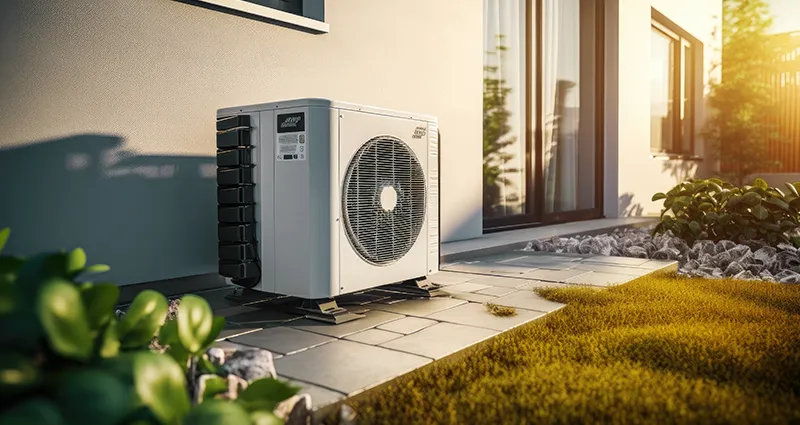
3. Schedule an HVAC tune-up. Call a professional to make sure your heating system is in good health and working as efficiently as possible.

4. Check your HVAC filters. Clean or change your filters on a regular basis to maintain proper airflow and keep your HVAC system working efficiently. You should also make sure you are using the right filters for your system.

5. Don’t block your air vents. Make sure your vents aren’t blocked by furniture. Clear space around vents will help better circulate warm air.

6. Reverse your ceiling fans. Turn your fan clockwise and set it at a low speed. Rather than creating an airflow that makes you feel cooler, your fan will push warm air downward, making you feel warmer.

Seal air leaks and improve insulation

Insufficient insulation and air leaks can allow heated air to escape, causing your system to run longer to keep your home comfortable. ENERGY STAR estimates that homeowners can save an average of 15% on heating and cooling costs by air sealing their homes and adding insulation in recommended areas.3

7. Check your insulation. Good insulation helps keep you comfortable year-round. One of the most important places to have sufficient insulation is your attic. In the winter, proper attic floor insulation prevents warm air from rising out of your home.

8. Seal air leaks around windows and doors. If you suspect your windows and doors are causing a draft, try weather stripping or replacing the seals. Test your seals with this trick: put a dollar between the door or window and the seal and close it. If you can easily pull the dollar out, it’s time to replace the seal.

9. Insulate electrical outlets. Cool air streaming in around your electrical outlets? Buy inexpensive, self-adhesive foam gasket covers at your local hardware store and install them to stop the drafts.

10. Avoid heating uninsulated spaces. Don’t bother heating places like garages, crawlspaces or other uninsulated areas. These rooms don’t need heat most of the time, and they lose heat much quicker without insulation.

11. Keep your garage door closed. If you have an attached garage, retain warmer air on the garage-side wall of your home by keeping your garage door closed to prevent cold air from coming in.

12. Close your chimney damper. Fireplaces keep us warm and toasty this time of year, but remember to close the damper when you’re done to prevent warm air from escaping – and cold drafts coming in.

13. Use sunlight to warm your home. Open the drapes when the sun is out to warm your home during the day, and close them at night for added insulation.

Reduce hot-water and laundry energy use

14. Adjust your water heater temperature. The recommended temperature for most water heaters is 120°. If your water heater is set too hot, it will not only waste energy but can be a safety hazard.

15. Insulate your water heater and pipes. Covering your water heater tank with an insulating jacket is especially important if it’s installed in an unheated area of the home, like an attic or garage. Insulating accessible sections of hot water pipes is another easy DIY job that will save a little energy.

16. Use less energy in the laundry room. Doing laundry can use a lot of energy. The washer and dryer alone use energy to operate, but both also use heat. To keep costs down, try using these appliances and their heat elements as little as possible. Wash and dry full loads and try washing as much as possible in cold water. If you can, hang your laundry to dry. This will also reduce wear and tear on your clothes.

Reduce everyday electricity waste

17. Use energy-efficient lighting. ENERGY STAR-certified LED lighting products use 75% less energy and last 25 times longer than incandescent bulbs.4 Be sure to turn off the lights when you leave a room.

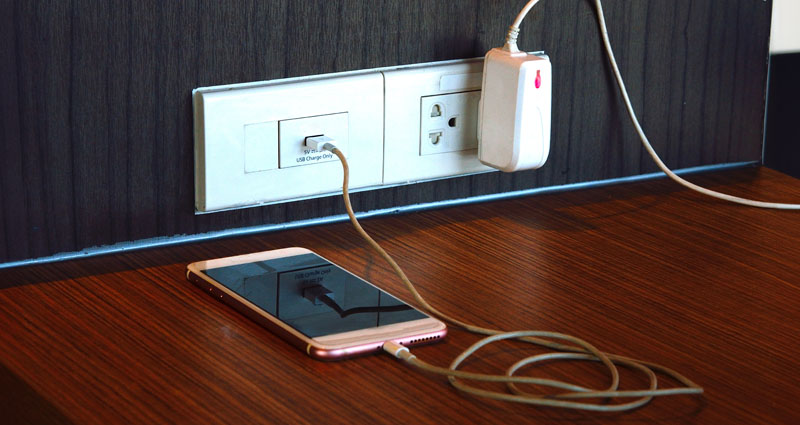
18. Unplug unused electronics. Devices can continue to draw electricity when they’re switched or not performing their primary functions. According to Berkeley Lab, standby power typically accounts for 5% to 10% of a home’s electricity use.5 Use surge protectors to easily turn these electronics all the way off and prevent them from using standby power.

19. Check your refrigerator settings and door seals. Is your refrigerator set at the right temperature? If it’s too cold, it could cost you money. Check with the manufacturer to find the recommended temperature. Additionally, make sure your refrigerator door is not letting cold air escape and making your refrigerator work harder. You can use the dollar seal test here as well.


See how much it costs to power your appliances 

Learn how to calculate your appliances’ monthly electricity usage and see which devices may contribute more to your bill.

How can renters lower their electricity bill 

Renters can lower winter electricity use by adjusting the thermostat when away or asleep, keeping heating vents clear, reporting drafts, using removable weatherproofing, managing curtains and running full appliance loads. These steps don't require permanent changes to the apartment.

  1. Adjust your thermostat when you’re away or asleep. Lower your thermostat before bed or when you leave your apartment to avoid heating an empty space.

  2. Keep vents and heating units clear. Avoid placing furniture, curtains or belongings in front of vents, radiators or baseboard heaters.

  3. Report drafts and maintenance problems. Contact your property manager about damaged window seals, gaps around exterior doors or a heating system that isn’t working properly.

  4. Use removable weatherproofing products. Temporary weatherstripping or removable window film may help reduce drafts without making permanent changes.

  5. Use curtains strategically. Open them on sunny windows during the day and close them at night.

  6. Use laundry and dishwashing appliances efficiently. Run full loads when possible and use energy-saving settings when available.

Apartments generally use less energy than detached single-family homes because they tend to be smaller and may share walls, floors or ceilings with neighboring units. However, individual apartment bills still depend on factors such as the building, unit location, heating equipment and utility arrangement.

Signing up for Direct Energy is easy!

We offer a wide range of plans and even help you customize them to fit your needs! Shop out plans to find your best fit today.

Make your home more energy-efficient this winter

Lowering your winter electricity bill starts with understanding where your home uses and loses energy. Focus first on your thermostat and heating system, then address insulation, air leaks and other areas that may make it harder to keep warm air inside.

You can also build on those improvements with simple habits, such as using hot water efficiently, turning off unused electronics and managing holiday lighting. Whether you live in a house or an apartment, taking a few practical steps can help you use energy more efficiently while staying comfortable throughout the winter.

Frequently asked questions

Show all answers

Start with changes you can make without major renovations. Adjust the thermostat when you don't need as much heat, seal accessible gaps around windows and doors and use curtains or blinds to help keep warmth inside. If you're responsible for your heating-system maintenance, keeping the air filter clean can also help the system avoid working harder than necessary.

Heating can be a major source of electricity use in winter, particularly in an all-electric home. When outdoor temperatures drop, electric heaters run more often to maintain the indoor temperature. Dirty filters, poor insulation and older heating equipment can also contribute to higher energy use.

Yes. Sealing gaps around windows and doors with caulk or weatherstripping can help stop drafts and keep warm air inside your home. Heavy curtains or blinds can also help retain heat at night, while opening them during the day can let in sunlight.

Yes. Lowering your thermostat can save energy when it reduces how long your heating system needs to run. You can turn the temperature down when you're away or don't need as much heat, then return it to a comfortable setting when needed. Smart thermostats can automate these adjustments based on your schedule or whether your home is occupied.

Your electricity bill may increase in cold weather because your heating system has to run longer and work harder to keep your home at a comfortable temperature. This can happen even if you don't change your thermostat setting. In all-electric homes, electric heating can be an especially significant source of winter energy use.

View more

Explore the learning center

Explore our other categories by selecting one from the dropdown menu. 

1982472_DE Category Page Large Promos_FinalImagesforDev

A smarter, safer home

Home security, automation and efficiency at your fingertips. Protect your peace of mind with an exclusive offer from our partner Vivint.

Need help placing an order?
Texas customers: Call us at 1-855-461-1926
Northeast and Midwest customers: Contact us


Questions about your current service?
Texas customers: Call us at 1-888-305-3828
Northeast and Midwest customers: Contact us